Buy balibali.eu ?
We are moving the project
balibali.eu .
Are you interested in purchasing the domain
balibali.eu ?
domain@kv-gmbh.de · 0541-91531010
Buy balibali.eu ?
Does Vietnam have a paradise beach?
Yes, Vietnam is home to several paradise beaches, with some of the most famous ones being Phu Quoc, Nha Trang, and Da Nang. These beaches are known for their pristine white sands, crystal-clear waters, and stunning natural surroundings. Visitors can enjoy a range of activities such as swimming, snorkeling, and sunbathing, making them ideal destinations for a relaxing beach getaway. **
Is man a creature of nature or culture, or is culture the nature of man?
Man is a complex being influenced by both nature and culture. While humans are inherently part of the natural world, our behaviors, beliefs, and practices are largely shaped by the societies we live in. Culture can be seen as the nature of man in the sense that it is a fundamental aspect of human existence, shaping our identities and interactions with the world. Ultimately, the relationship between nature and culture is intertwined in shaping the essence of humanity. **
Similar search terms for How
Top-Angebote
Products related to How:
-
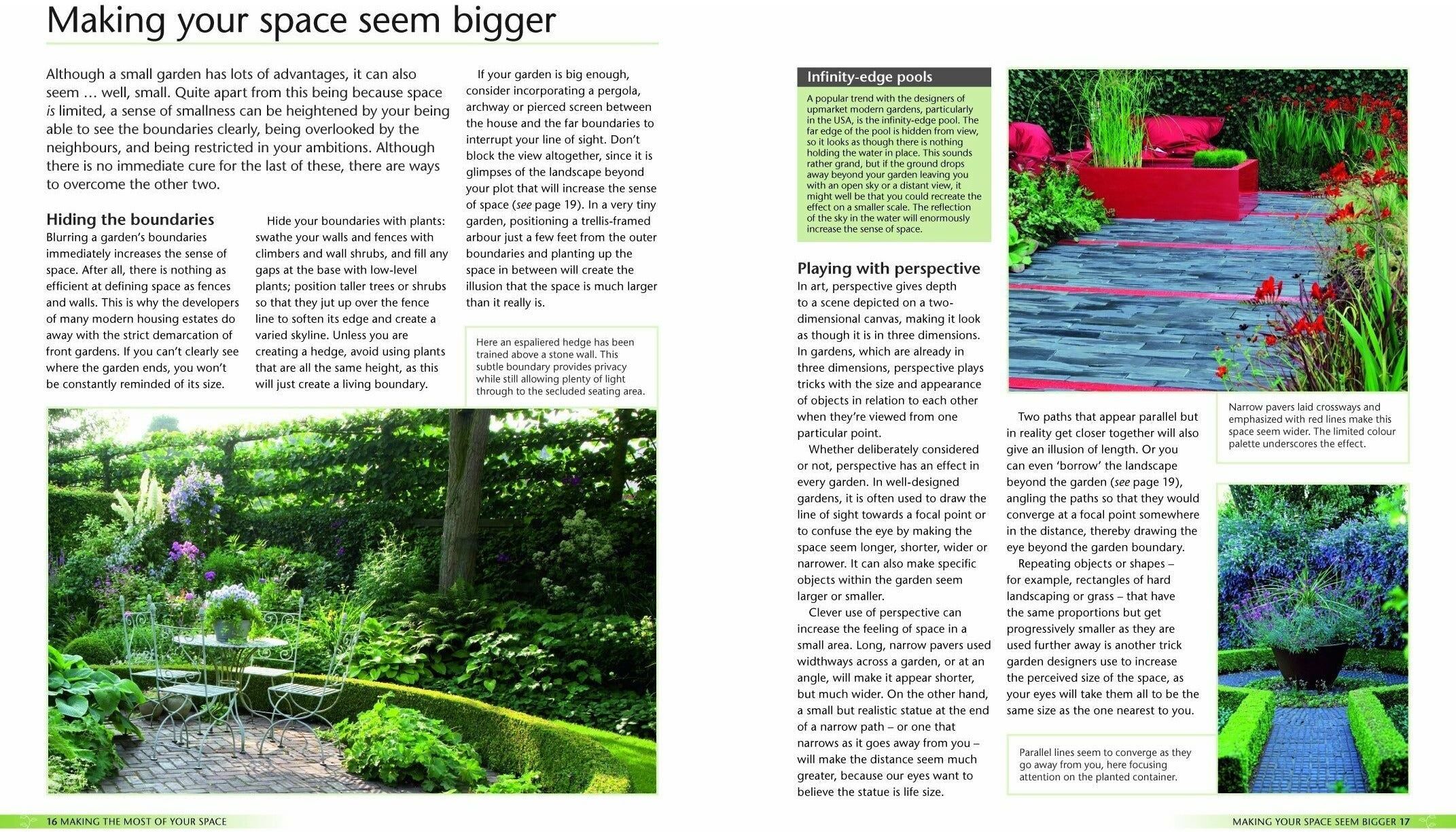
BBC Books Alan Titchmarsh How to Garden: Small Gardens (How to Garden, 27)Successful gardens can be created in the smallest spaces, and in this inspiring and practical guide Alan Titchmarsh shows how to transform even the tiniest outdoor area into an attractive garden. With ideas for maximizing space and advice on garden design, planning and plant selection, this is the definitive handbook for anyone wanting to create a private haven in limited space. Ideas for front gardens, side passages, courtyards, balconies, rooftops and windowsills Tricks to make small spaces seem larger How to use every inch of space, including containers Easy-to-follow landscaping plans for all garden shapes and styles Guidance on growing vegetables, herbs and fruit in small plots2,67 £*Shipping: 1,99 £Secure redirect to the provider
-
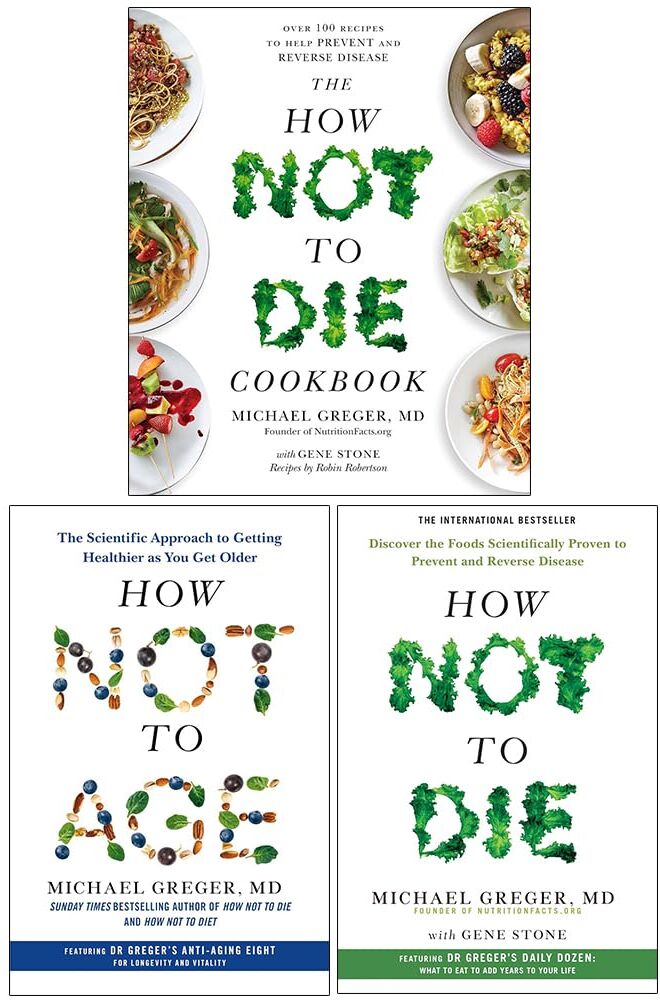
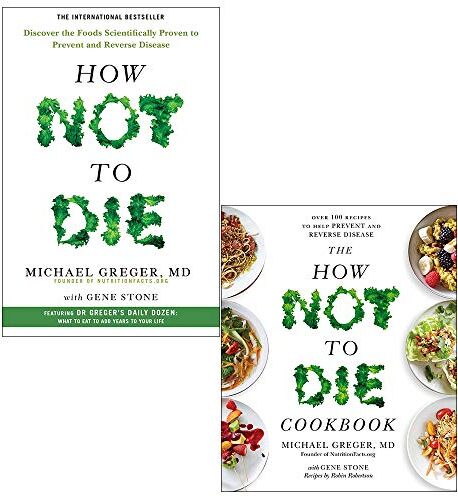
Bluebird/Pan ltd The How Not to Die Cookbook, How Not to Age and How Not to Die 3 Books Collection SetThe How Not to Die Cookbook, How Not to Age & How Not to Die 3 Books Collection Set: The How Not to Die Cookbook: Dr Michael Greger, founder of the wildly popular website NutritionFacts, takes his comprehensive, lifesaving science into the kitchen. Why suffer from disease and ill health when the right food is proven to keep you healthy, and without the side effects of drugs? We can avoid heart disease, cancer and our other biggest killers if we use food as medicine, and the How Not To Die Cookbook offers a sustainable and delicious guide to preparing and eating the foods that will prevent and reverse fatal diseases. How Not to Age: Dr Michael Greger digs into the top peer-reviewed anti-ageing research to deliver a complete and optimal guide with simple steps to extend your lifespan and slow the adverse effects of ageing.Inspired by the dietary and lifestyle patterns of the world’s centenarians and residents of ‘blue zone’ regions where people live the longest, Dr Greger presents easy, evidence-based ways to preserve the body functions that keep us feeling youthful, both physically and mentally. How Not to Die: How Not To Die examines each of the most common diseases to reveal what, how and why different foods affect us, and how increasing our consumption of certain foods and avoiding others can dramatically reduce our risk of falling sick and even reverse the effects of disease. It also shares Dr Greger's 'Daily Dozen' - the twelve foods we should all eat every day to stay in the best of health.20,95 £*Shipping: 2,99 £Secure redirect to the provider
-
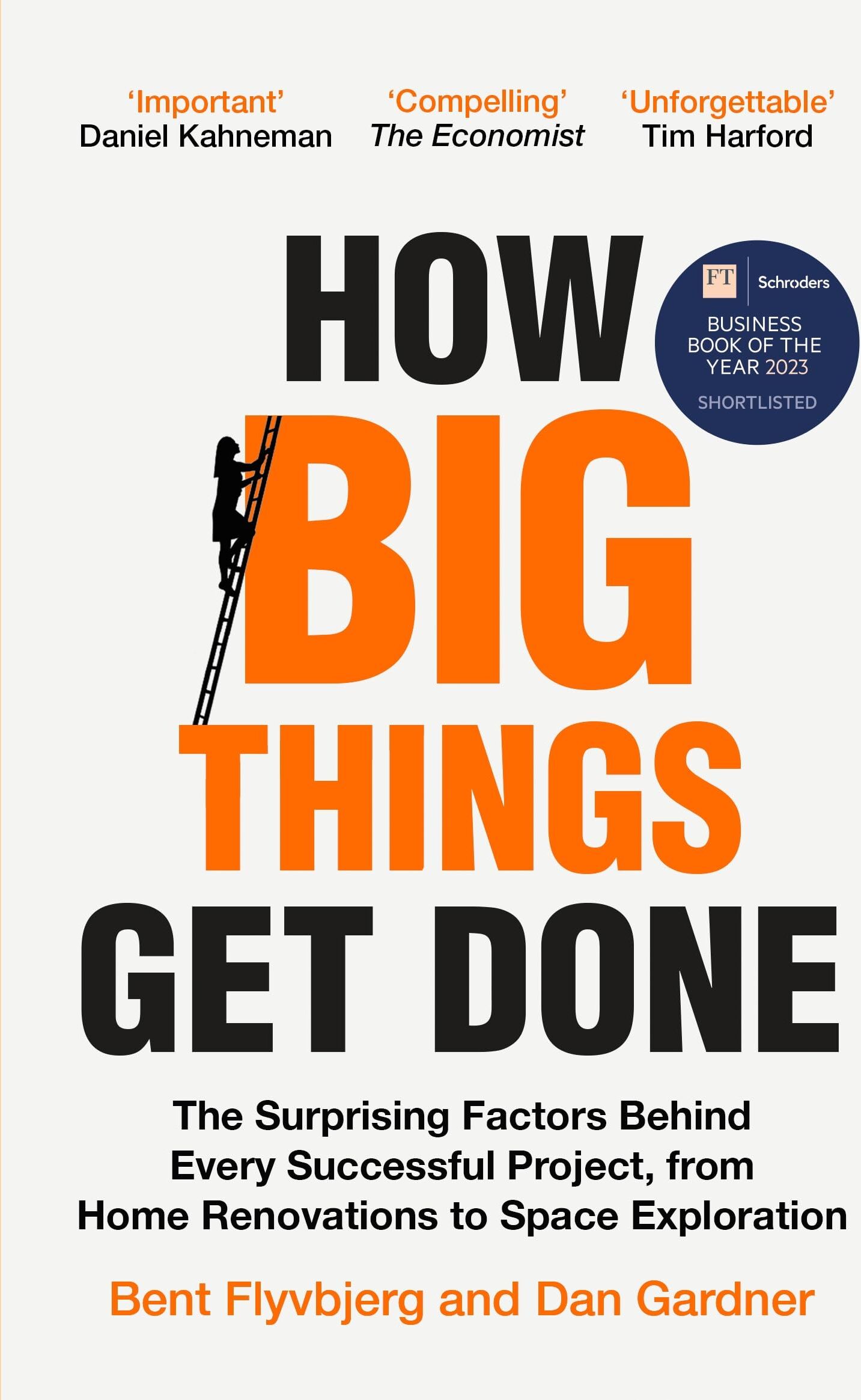
Macmillan Business How Big Things Get Done: The Surprising Factors Behind Every Successful Project, from Home Renovations to Space ExplorationHow Big Things Get Done: The Surprising Factors Behind Every Successful Project, from Home Renovations to Space Exploration Nothing is more inspiring than a big vision that becomes a triumphant new reality. Think of how Apple’s iPod went from a project with a single employee to an enormously successful product launch in eleven months. But such successes are the exception. Consider how London’s Crossrail project delivered five years late and billions over budget. More modest endeavours, whether launching a small business, organizing a conference, or just finishing a work project on time, also commonly fail. Why? Understanding what distinguishes the triumphs from the failures has been the life’s work of Oxford professor Bent Flyvbjerg. In How Big Things Get Done, he identifies the errors that lead projects to fail, and the research-based principles that will make yours succeed: Understand your odds. If you don’t know them, you won’t win. Plan slow, act fast. Getting to the action quick feels right. But it’s wrong. Think right to left. Start with your goal, then identify the steps to get there. Find your Lego. Big is best built from small. Master the unknown unknowns. Most think they can’t, so they fail. Flyvbjerg shows how you can. Full of vivid examples ranging from the building of the Sydney Opera House to the making of the latest Pixar blockbusters, How Big Things Get Done reveals how to get any ambitious project done – on time and on budget.2,99 £*Shipping: 1,99 £Secure redirect to the provider
-
Is man a being of nature or culture, or is culture the nature of man?
Man is a being of both nature and culture. While humans are inherently a part of the natural world, our ability to create and participate in culture sets us apart from other species. Culture shapes our beliefs, behaviors, and interactions with the world, becoming an essential part of our identity. Therefore, culture can be seen as the nature of man, as it influences and defines our existence in profound ways. **
-
Is culture a form of nature?
Culture is not a form of nature, but rather a product of human society. While culture can be influenced by nature and the environment, it is distinct in that it is created, shared, and passed down through generations by humans. Nature refers to the physical world and natural phenomena, while culture encompasses the beliefs, customs, arts, and social behaviors of a particular group of people. **
-
What does Cuban cuisine and eating culture look like?
Cuban cuisine is a fusion of Spanish, African, and Caribbean influences, resulting in a diverse and flavorful culinary tradition. Common ingredients include rice, beans, plantains, and various meats such as pork and chicken. Popular dishes include ropa vieja (shredded beef), arroz con pollo (chicken with rice), and lechón asado (roast pork). Eating culture in Cuba is centered around family and community, with meals often being a social and communal experience. It is common for Cubans to share meals with extended family and friends, and food is an important part of social gatherings and celebrations. **
-
Is man a being of nature or culture?
Man is a being of both nature and culture. While humans are a part of the natural world and share many characteristics with other animals, they also possess the ability to create and participate in complex cultural systems. Culture shapes human behavior, beliefs, and values, influencing how individuals interact with their environment. Ultimately, humans exist at the intersection of nature and culture, with both aspects playing a significant role in shaping their identities and experiences. **
How is French cuisine?
French cuisine is renowned for its rich flavors, use of high-quality ingredients, and meticulous preparation techniques. It is characterized by its emphasis on fresh produce, butter, cream, and herbs. French dishes often feature complex flavors and are known for their attention to detail and presentation. Overall, French cuisine is considered to be one of the finest and most influential culinary traditions in the world. **
Is man a creature of nature or of culture?
Man is a creature of both nature and culture. While humans are biologically part of the natural world, our behaviors, beliefs, and social structures are heavily influenced by the cultures we are raised in. Culture shapes our values, norms, and ways of interacting with the world, but our biological instincts and needs also play a significant role in shaping who we are. Ultimately, humans are a complex blend of both natural and cultural influences. **
Top-Angebote
Products related to How:
-
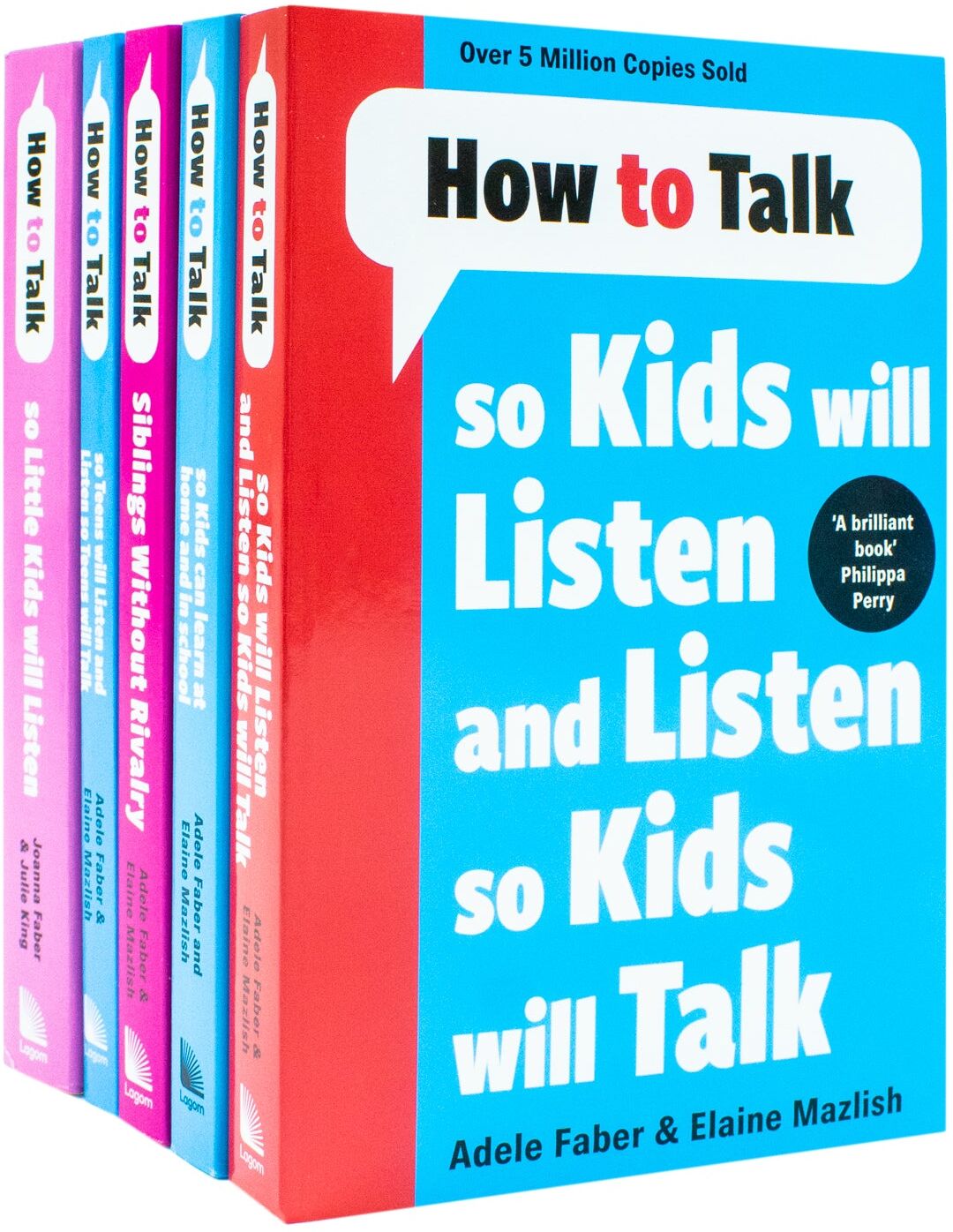
Piccadilly Press How To Talk Collection 5 Books Set How To Talk So Kids Will Listen How To Talk SeriesTitles In This Set: How to Talk So Kids Can Learn: At Home and in School How To Talk So Kids Will Listen and Listen So Kids Will Talk How to Talk So Teens Will Listen and Listen So Teens Will Talk How to Talk so Little Kids Will Listen: A Survival Guide to Life with Children Aged 2-7 Siblings Without Rivalry: How to Help Your Children Live Together So You Can Live Too How to Talk So Kids Can Learn: At Home and in SchoolFrom the widely-acclaimed HOW TO TALK series, leading parenting experts show how to motivate kids to learn. Using the unique communication strategies, down-to-earth dialogues, and cartoons that are the hallmark of their bestselling bookHow To Talk So Kids Will Listen and Listen So Kids Will TalkThe number one practical guide to making your family life less stressful and more rewarding.In this international bestseller, experts Adele Faber and Elaine Mazlish provide effective step by step techniques to help you improve and enrich your relationships with your children.How to Talk So Teens Will Listen and Listen So Teens Will TalkFrom curfews and cliques to sex and drugs, bestselling authors Faber and Mazlish give parents and teens the tools they need to communicate and navigate the often stormy years of adolescence. How to Talk so Little Kids Will Listen: A Survival Guide to Life with Children Aged 2-7From tantrums and food battles to anxieties and sleep issues. Parenting experts Julie King and Joanna Faber give insights and tried-and-tested strategies to navigate the everyday challenges of life with children aged 2-7.Siblings Without Rivalry: How to Help Your Children Live Together So You Can Live TooDiscover parenting experts Faber and Mazlish's tested and practical guidelines for how to cope with - and deflect - sibling rivalry. Full of humour and compassion, Siblings Without Rivalry challenges the idea that constant conflict between siblings is natural and unavoidable.The How to Talk 5 book collection is a fantastic series of books to help any parent with techniques on how to talk to their children and how to help their development. From parenting experts Adele Faber, Elaine Mazlish, Joanna Faber and Julie King, this set will guide anyone struggling to communicate with children and teens with anxieties, tantrums along with how to motivate and praise correctly. Related Products: Self Help Recovery Books16,99 £*Shipping: 2,99 £Secure redirect to the provider
-
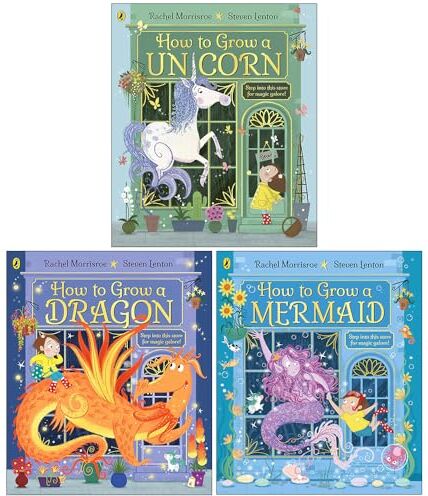
Puffin ltd How to Grow Series Collection 3 Books Set By Rachel Morrisroe (How to Grow a Unicorn, How to Grow a Dragon and How to Grow a Mermaid)How to Grow Series Collection 3 Books Set By Rachel Morrisroe (How to Grow a Unicorn, How to Grow a Dragon & How to Grow a Mermaid): How to Grow a Unicorn: A rollicking, rhyming read-aloud treat from wordsmith extraordinaire, debut author Rachel Morrisroe, and the ridiculously talented, bestselling Steven Lenton.Welcome to Mr Pottifer's Parlour of Plants: a magical shop with the most surprising plants you'll ever see! Sarah thinks she's discovered the perfect gift for her garden-loving grandma, but before you can say GARDEN FULL OF UNICORNS, things grow wildly out-of-hand! How to Grow a Dragon: A story that celebrates problem solving, kindness and resourcefulness.An unexpected delivery of dragodil seeds provides the perfect chance for Sarah and Mr Pottifer to grow helpful dragon pets for their customers - or does it? It turns out that these fiery dragons are not very well-behaved at all... and everything soon spirals into smoke-filled, out-of-control DRAGON CHAOS! Can Sarah's quick thinking and green fingers save the day? How to Grow a Mermaid: A new customer at the shop buys some mermaid seeds, and Sarah is only too happy to help him grow them. But when the plants are accidentally given too much sugar, their vines spread throughout the town, flooding the streets and causing a whole heap of MER-MAYHEM! Can Sarah and her new friend use their quick thinking and green fingers to save the day?19,99 £*Shipping: 2,99 £Secure redirect to the provider
-
BBC Books Alan Titchmarsh How to Garden: Small Gardens (How to Garden, 27)Successful gardens can be created in the smallest spaces, and in this inspiring and practical guide Alan Titchmarsh shows how to transform even the tiniest outdoor area into an attractive garden. With ideas for maximizing space and advice on garden design, planning and plant selection, this is the definitive handbook for anyone wanting to create a private haven in limited space. Ideas for front gardens, side passages, courtyards, balconies, rooftops and windowsills Tricks to make small spaces seem larger How to use every inch of space, including containers Easy-to-follow landscaping plans for all garden shapes and styles Guidance on growing vegetables, herbs and fruit in small plots2,67 £*Shipping: 1,99 £Secure redirect to the provider
-
Bluebird/Pan ltd The How Not to Die Cookbook, How Not to Age and How Not to Die 3 Books Collection SetThe How Not to Die Cookbook, How Not to Age & How Not to Die 3 Books Collection Set: The How Not to Die Cookbook: Dr Michael Greger, founder of the wildly popular website NutritionFacts, takes his comprehensive, lifesaving science into the kitchen. Why suffer from disease and ill health when the right food is proven to keep you healthy, and without the side effects of drugs? We can avoid heart disease, cancer and our other biggest killers if we use food as medicine, and the How Not To Die Cookbook offers a sustainable and delicious guide to preparing and eating the foods that will prevent and reverse fatal diseases. How Not to Age: Dr Michael Greger digs into the top peer-reviewed anti-ageing research to deliver a complete and optimal guide with simple steps to extend your lifespan and slow the adverse effects of ageing.Inspired by the dietary and lifestyle patterns of the world’s centenarians and residents of ‘blue zone’ regions where people live the longest, Dr Greger presents easy, evidence-based ways to preserve the body functions that keep us feeling youthful, both physically and mentally. How Not to Die: How Not To Die examines each of the most common diseases to reveal what, how and why different foods affect us, and how increasing our consumption of certain foods and avoiding others can dramatically reduce our risk of falling sick and even reverse the effects of disease. It also shares Dr Greger's 'Daily Dozen' - the twelve foods we should all eat every day to stay in the best of health.20,95 £*Shipping: 2,99 £Secure redirect to the provider
-
Does Vietnam have a paradise beach?
Yes, Vietnam is home to several paradise beaches, with some of the most famous ones being Phu Quoc, Nha Trang, and Da Nang. These beaches are known for their pristine white sands, crystal-clear waters, and stunning natural surroundings. Visitors can enjoy a range of activities such as swimming, snorkeling, and sunbathing, making them ideal destinations for a relaxing beach getaway. **
-
Is man a creature of nature or culture, or is culture the nature of man?
Man is a complex being influenced by both nature and culture. While humans are inherently part of the natural world, our behaviors, beliefs, and practices are largely shaped by the societies we live in. Culture can be seen as the nature of man in the sense that it is a fundamental aspect of human existence, shaping our identities and interactions with the world. Ultimately, the relationship between nature and culture is intertwined in shaping the essence of humanity. **
-
Is man a being of nature or culture, or is culture the nature of man?
Man is a being of both nature and culture. While humans are inherently a part of the natural world, our ability to create and participate in culture sets us apart from other species. Culture shapes our beliefs, behaviors, and interactions with the world, becoming an essential part of our identity. Therefore, culture can be seen as the nature of man, as it influences and defines our existence in profound ways. **
-
Is culture a form of nature?
Culture is not a form of nature, but rather a product of human society. While culture can be influenced by nature and the environment, it is distinct in that it is created, shared, and passed down through generations by humans. Nature refers to the physical world and natural phenomena, while culture encompasses the beliefs, customs, arts, and social behaviors of a particular group of people. **
Similar search terms for How
-
Macmillan Business How Big Things Get Done: The Surprising Factors Behind Every Successful Project, from Home Renovations to Space ExplorationHow Big Things Get Done: The Surprising Factors Behind Every Successful Project, from Home Renovations to Space Exploration Nothing is more inspiring than a big vision that becomes a triumphant new reality. Think of how Apple’s iPod went from a project with a single employee to an enormously successful product launch in eleven months. But such successes are the exception. Consider how London’s Crossrail project delivered five years late and billions over budget. More modest endeavours, whether launching a small business, organizing a conference, or just finishing a work project on time, also commonly fail. Why? Understanding what distinguishes the triumphs from the failures has been the life’s work of Oxford professor Bent Flyvbjerg. In How Big Things Get Done, he identifies the errors that lead projects to fail, and the research-based principles that will make yours succeed: Understand your odds. If you don’t know them, you won’t win. Plan slow, act fast. Getting to the action quick feels right. But it’s wrong. Think right to left. Start with your goal, then identify the steps to get there. Find your Lego. Big is best built from small. Master the unknown unknowns. Most think they can’t, so they fail. Flyvbjerg shows how you can. Full of vivid examples ranging from the building of the Sydney Opera House to the making of the latest Pixar blockbusters, How Big Things Get Done reveals how to get any ambitious project done – on time and on budget.2,99 £*Shipping: 1,99 £Secure redirect to the provider
-
Pan Macmillan How Not To Die 2 Books Collection Set by Dr Michael Greger and Gene Stone (How Not To Die, How Not To Die Cookbook)How Not To Die Why rely on drugs and surgery to cure you of life-threatening disease when the right decisions can prevent you from falling ill to begin with? How Not To Die gives effective, scientifically-proven nutritional advice to prevent our biggest killers - including heart disease, breast cancer, prostate cancer, high blood pressure and diabetes - and reveals the astounding health benefits that simple dietary choices can provide. How Not To Die Cookbook Dr Michael Greger, founder of the wildly popular website NutritionFacts, takes his comprehensive, lifesaving science into the kitchen. Why suffer from disease and ill health when the right food is proven to keep you healthy, and without the side effects of drugs? We can avoid heart disease, cancer and our other biggest killers if we use food as medicine, and the How Not To Die Cookbook offers a sustainable and delicious guide to preparing and eating the foods that will prevent and reverse fatal diseases.15,45 £*Shipping: 2,99 £Secure redirect to the provider
-
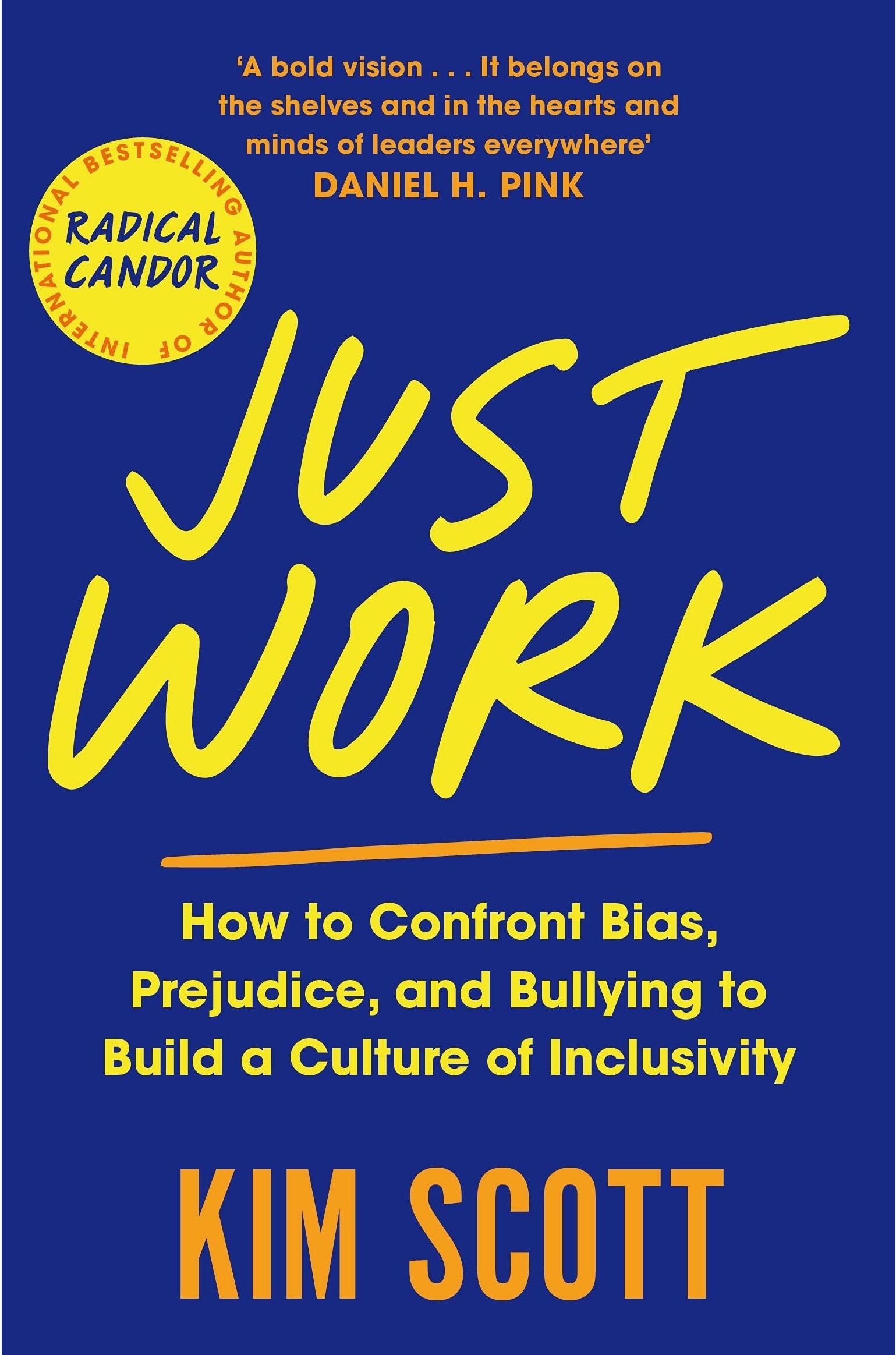
Pan Just Work: How to Confront Bias, Prejudice and Bullying to Build a Culture of Inclusivity by Kim ScottFrom Kim Scott, author of the revolutionary New York Times bestseller Radical Candor, comes Just Work: How to Confront Bias, Prejudice and Bullying to Build a Culture of Inclusivity– that will help you recognize, attack and eliminate workplace injustice – and transform our careers and organizations in the process. We – all of us – consistently exclude, underestimate and under-utilize huge numbers of people in the workforce even as we include, overestimate and promote others, often beyond their level of competence. Not only is this immoral and unjust, it’s bad for business. Just Work is the solution. Just Work by Kim Scott reveals a practical framework for both respecting everyone’s individuality and collaborating effectively. This is the essential guide leaders and their employees need to create more just workplaces and establish new norms of collaboration and respect.4,99 £*Shipping: 1,99 £Secure redirect to the provider
-
What does Cuban cuisine and eating culture look like?
Cuban cuisine is a fusion of Spanish, African, and Caribbean influences, resulting in a diverse and flavorful culinary tradition. Common ingredients include rice, beans, plantains, and various meats such as pork and chicken. Popular dishes include ropa vieja (shredded beef), arroz con pollo (chicken with rice), and lechón asado (roast pork). Eating culture in Cuba is centered around family and community, with meals often being a social and communal experience. It is common for Cubans to share meals with extended family and friends, and food is an important part of social gatherings and celebrations. **
-
Is man a being of nature or culture?
Man is a being of both nature and culture. While humans are a part of the natural world and share many characteristics with other animals, they also possess the ability to create and participate in complex cultural systems. Culture shapes human behavior, beliefs, and values, influencing how individuals interact with their environment. Ultimately, humans exist at the intersection of nature and culture, with both aspects playing a significant role in shaping their identities and experiences. **
-
How is French cuisine?
French cuisine is renowned for its rich flavors, use of high-quality ingredients, and meticulous preparation techniques. It is characterized by its emphasis on fresh produce, butter, cream, and herbs. French dishes often feature complex flavors and are known for their attention to detail and presentation. Overall, French cuisine is considered to be one of the finest and most influential culinary traditions in the world. **
-
Is man a creature of nature or of culture?
Man is a creature of both nature and culture. While humans are biologically part of the natural world, our behaviors, beliefs, and social structures are heavily influenced by the cultures we are raised in. Culture shapes our values, norms, and ways of interacting with the world, but our biological instincts and needs also play a significant role in shaping who we are. Ultimately, humans are a complex blend of both natural and cultural influences. **
* All prices are inclusive of VAT and, if applicable, plus shipping costs. The offer information is based on the details provided by the respective shop and is updated through automated processes. Real-time updates do not occur, so deviations can occur in individual cases. ** Note: Parts of this content were created by AI.