Buy balibali.eu ?
We are moving the project
balibali.eu .
Are you interested in purchasing the domain
balibali.eu ?
domain@kv-gmbh.de · 0541-91531010
Buy balibali.eu ?
How does the Islamic paradise differ from Christian ideas of paradise?
The Islamic paradise, known as Jannah, is described as a lush garden with flowing rivers and abundant fruits, where believers are rewarded with eternal bliss for their faith and good deeds. In contrast, Christian ideas of paradise, often referred to as heaven, focus more on the presence of God and the promise of eternal life in His presence. While both concepts emphasize reward and eternal happiness, the Islamic paradise places a strong emphasis on physical pleasures and rewards, whereas Christian ideas of paradise focus more on spiritual fulfillment and communion with God. **
How does the Islamic paradise differ from Christian concepts of paradise?
The Islamic paradise, known as Jannah, is described as a lush garden with flowing rivers and abundant fruits, where believers will be rewarded with eternal bliss and pleasure. In contrast, Christian concepts of paradise, often referred to as heaven, focus more on the presence of God and eternal communion with Him. Additionally, Christianity emphasizes the importance of salvation through faith in Jesus Christ for entry into paradise, while Islam emphasizes the importance of good deeds and submission to Allah. Overall, while both religions share the idea of a paradise as a place of eternal happiness, the specific details and requirements for entry differ between Islamic and Christian beliefs. **
Similar search terms for Differ
Top-Angebote
Products related to Differ:
-
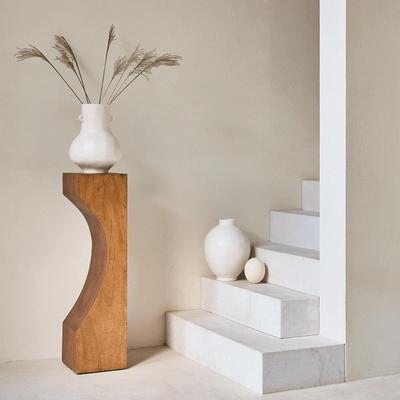
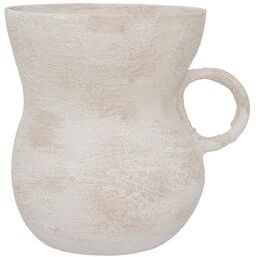
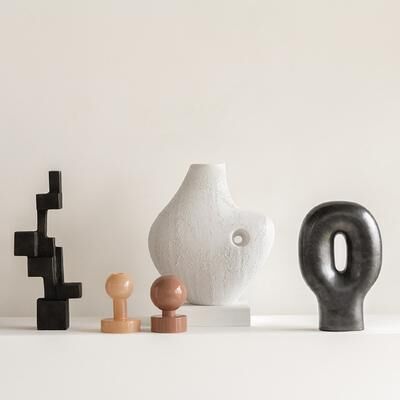
Urban Nature Culture Vase RelaxedQuiet elegancy comes to life in Urban Nature Culture's vase Relaxed. Handmade in Portugal, this ceramic vase has a shape beyond anything you've seen - it's organic, it flows and steals your heart with its playful ear.123,40 $*Shipping: 0,00 $Secure redirect to the provider
-
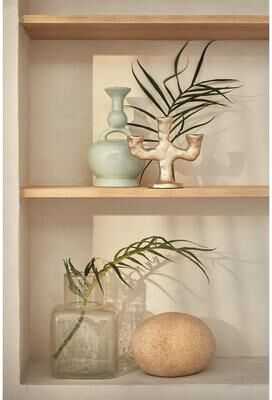
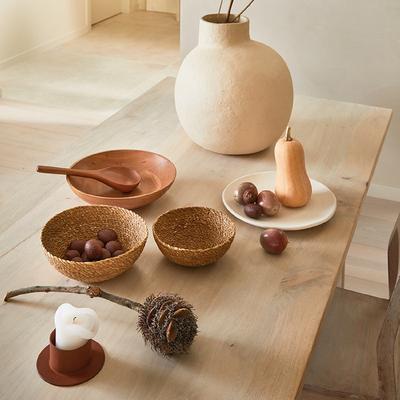
Urban Nature Culture Vase Talvi - WhiteFloating the sea waves, a sense of calm takes over, feeling at home in the world. That same feeling we get at home, like a safe haven to relax our senses and feast our eyes on our most cherished things.267,80 $*Shipping: 0,00 $Secure redirect to the provider

-
How does the Islamic concept of paradise differ from Christian ideas of paradise?
The Islamic concept of paradise, known as Jannah, is described as a lush garden with flowing rivers and abundant fruits, where believers are rewarded with eternal bliss for their faith and good deeds. In contrast, Christian ideas of paradise, often referred to as heaven, focus on the presence of God and eternal life in His presence. While both concepts emphasize reward and eternal happiness, the specific descriptions and beliefs about paradise differ based on the teachings and traditions of each religion. **
-
How does the Islamic concept of paradise differ from the Christian concept of paradise?
The Islamic concept of paradise, known as Jannah, is described as a lush garden with flowing rivers, where believers are rewarded with eternal bliss and pleasure. In contrast, the Christian concept of paradise, often referred to as heaven, is depicted as a place of eternal joy in the presence of God. While both emphasize the idea of eternal reward for believers, the specific descriptions and beliefs about paradise differ between Islam and Christianity. Additionally, the criteria for entering paradise and the nature of the rewards also vary between the two religions. **
-
How do Spain and Italy differ in culture and mentality?
Spain and Italy differ in culture and mentality in several ways. Spain is known for its lively and passionate culture, with a strong emphasis on family, food, and fiestas. In contrast, Italy is known for its rich history, art, and fashion, with a focus on tradition and elegance. Additionally, Spaniards tend to have a more relaxed and laid-back mentality, while Italians are often seen as more formal and reserved. Overall, both countries have unique cultural identities that are shaped by their history, geography, and traditions. **
-
How do Spain and Italy differ in terms of culture and mentality?
Spain and Italy differ in terms of culture and mentality in several ways. Spain is known for its lively and passionate culture, with a strong emphasis on family, food, and fiestas. In contrast, Italy is known for its rich history, art, and fashion, with a focus on tradition and elegance. Additionally, Spaniards tend to have a more relaxed and laid-back mentality, while Italians are often seen as more formal and reserved. Overall, both countries have unique cultural identities that are shaped by their history, geography, and traditions. **

In what ways do Spain and Italy differ in culture and mentality?
Spain and Italy differ in culture and mentality in several ways. Spain is known for its lively and passionate culture, with a strong emphasis on family and socializing. In contrast, Italy is known for its rich history and art, with a focus on tradition and craftsmanship. Additionally, Spain tends to have a more relaxed and laid-back mentality, while Italy is known for its strong work ethic and attention to detail. Overall, while both countries share similarities in their Mediterranean roots, they each have unique cultural characteristics that set them apart. **
How do natural, artificial, and nature-identical flavorings differ from each other?
Natural flavorings are derived from plants, animals, or microorganisms and are not chemically altered. Artificial flavorings are chemically synthesized and do not come from natural sources. Nature-identical flavorings are chemically identical to natural flavors but are synthesized in a laboratory rather than extracted from natural sources. Each type of flavoring has its own set of regulations and guidelines for use in food products, and they can vary in terms of taste, cost, and availability. **
Top-Angebote
Products related to Differ:
-
Urban Nature Culture Vase RelaxedQuiet elegancy comes to life in Urban Nature Culture's vase Relaxed. Handmade in Portugal, this ceramic vase has a shape beyond anything you've seen - it's organic, it flows and steals your heart with its playful ear.123,40 $*Shipping: 0,00 $Secure redirect to the provider
-
How does the Islamic paradise differ from Christian ideas of paradise?
The Islamic paradise, known as Jannah, is described as a lush garden with flowing rivers and abundant fruits, where believers are rewarded with eternal bliss for their faith and good deeds. In contrast, Christian ideas of paradise, often referred to as heaven, focus more on the presence of God and the promise of eternal life in His presence. While both concepts emphasize reward and eternal happiness, the Islamic paradise places a strong emphasis on physical pleasures and rewards, whereas Christian ideas of paradise focus more on spiritual fulfillment and communion with God. **
-
How does the Islamic paradise differ from Christian concepts of paradise?
The Islamic paradise, known as Jannah, is described as a lush garden with flowing rivers and abundant fruits, where believers will be rewarded with eternal bliss and pleasure. In contrast, Christian concepts of paradise, often referred to as heaven, focus more on the presence of God and eternal communion with Him. Additionally, Christianity emphasizes the importance of salvation through faith in Jesus Christ for entry into paradise, while Islam emphasizes the importance of good deeds and submission to Allah. Overall, while both religions share the idea of a paradise as a place of eternal happiness, the specific details and requirements for entry differ between Islamic and Christian beliefs. **
-
How does the Islamic concept of paradise differ from Christian ideas of paradise?
The Islamic concept of paradise, known as Jannah, is described as a lush garden with flowing rivers and abundant fruits, where believers are rewarded with eternal bliss for their faith and good deeds. In contrast, Christian ideas of paradise, often referred to as heaven, focus on the presence of God and eternal life in His presence. While both concepts emphasize reward and eternal happiness, the specific descriptions and beliefs about paradise differ based on the teachings and traditions of each religion. **
-
How does the Islamic concept of paradise differ from the Christian concept of paradise?
The Islamic concept of paradise, known as Jannah, is described as a lush garden with flowing rivers, where believers are rewarded with eternal bliss and pleasure. In contrast, the Christian concept of paradise, often referred to as heaven, is depicted as a place of eternal joy in the presence of God. While both emphasize the idea of eternal reward for believers, the specific descriptions and beliefs about paradise differ between Islam and Christianity. Additionally, the criteria for entering paradise and the nature of the rewards also vary between the two religions. **
Similar search terms for Differ
-
Urban Nature Culture Vase Talvi - WhiteFloating the sea waves, a sense of calm takes over, feeling at home in the world. That same feeling we get at home, like a safe haven to relax our senses and feast our eyes on our most cherished things.267,80 $*Shipping: 0,00 $Secure redirect to the provider
-
Urban Nature Culture Vase Ace - AceSetting forth a tradition that is centuries old, pottery has ever been one of Portugal's trades. Urban Nature Culture loves to work with Portuguese artisans - who use their skills to combine modern looks and contemporary design with techniques of old.145,60 $*Shipping: 0,00 $Secure redirect to the provider
-
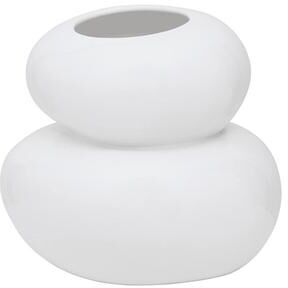
Urban Nature Culture Vase Pebbles White - White"""We can choose to throw stones, to stumble on them, to climb over them or to build with them."" William Arthur Ward Urban Nature Culture chooses to build with stones, and create a one-of-a-kind vase with a playful character."95,70 $*Shipping: 0,00 $Secure redirect to the provider
-
How do Spain and Italy differ in culture and mentality?
Spain and Italy differ in culture and mentality in several ways. Spain is known for its lively and passionate culture, with a strong emphasis on family, food, and fiestas. In contrast, Italy is known for its rich history, art, and fashion, with a focus on tradition and elegance. Additionally, Spaniards tend to have a more relaxed and laid-back mentality, while Italians are often seen as more formal and reserved. Overall, both countries have unique cultural identities that are shaped by their history, geography, and traditions. **
-
How do Spain and Italy differ in terms of culture and mentality?
Spain and Italy differ in terms of culture and mentality in several ways. Spain is known for its lively and passionate culture, with a strong emphasis on family, food, and fiestas. In contrast, Italy is known for its rich history, art, and fashion, with a focus on tradition and elegance. Additionally, Spaniards tend to have a more relaxed and laid-back mentality, while Italians are often seen as more formal and reserved. Overall, both countries have unique cultural identities that are shaped by their history, geography, and traditions. **
-
In what ways do Spain and Italy differ in culture and mentality?
Spain and Italy differ in culture and mentality in several ways. Spain is known for its lively and passionate culture, with a strong emphasis on family and socializing. In contrast, Italy is known for its rich history and art, with a focus on tradition and craftsmanship. Additionally, Spain tends to have a more relaxed and laid-back mentality, while Italy is known for its strong work ethic and attention to detail. Overall, while both countries share similarities in their Mediterranean roots, they each have unique cultural characteristics that set them apart. **
-
How do natural, artificial, and nature-identical flavorings differ from each other?
Natural flavorings are derived from plants, animals, or microorganisms and are not chemically altered. Artificial flavorings are chemically synthesized and do not come from natural sources. Nature-identical flavorings are chemically identical to natural flavors but are synthesized in a laboratory rather than extracted from natural sources. Each type of flavoring has its own set of regulations and guidelines for use in food products, and they can vary in terms of taste, cost, and availability. **
* All prices are inclusive of VAT and, if applicable, plus shipping costs. The offer information is based on the details provided by the respective shop and is updated through automated processes. Real-time updates do not occur, so deviations can occur in individual cases. ** Note: Parts of this content were created by AI.