Buy balibali.eu ?
We are moving the project
balibali.eu .
Are you interested in purchasing the domain
balibali.eu ?
domain@kv-gmbh.de · 0541-91531010
Buy balibali.eu ?
What do the Aborigines call themselves, certainly not Aborigines, right?
The Aboriginal people of Australia refer to themselves by their specific tribal or language group names, such as Koori, Murri, Nyoongar, or Yolngu, depending on their cultural heritage and geographic location. The term "Aboriginal" is a general descriptor used by non-Indigenous people, and it is important to recognize and respect the diversity of Indigenous identities and cultures within Australia. **
Do the Aborigines eat budgerigars?
No, the Aborigines do not typically eat budgerigars. Budgerigars are small parakeets native to Australia and are not a traditional part of the Aboriginal diet. The Aborigines traditionally hunted and ate a variety of animals such as kangaroos, emus, and fish, as well as foraged for fruits, nuts, and roots. Budgerigars are more commonly kept as pets or admired for their colorful plumage and ability to mimic sounds. **

Similar search terms for Aborigines
Top-Angebote
Products related to Aborigines:
-
I Love Wellness Calm body oil for relaxation 125 mlI Love Wellness Calm, 125 ml, Bath Oils for Women, Do you have the feeling that your skin needs more care than it is getting from body lotion or body cream? I Love Wellness Calm body oil is the perfect product to enrich your skin care routine – it gives skin an extra dose of nourishment, supports its regeneration, and also softens it. Characteristics: leaves the skin flexible and supple has a pleasant fragrance relaxing strengthens the skin barrier nourishes and softens dry skin acts effectively against fatigue and exhaustion Ingredients: vegan product almond oil – nourishes, helps lock water in skin and keep it hydrated, softens rough textures and uneven skin, helps prevent flaking and irritation coconut oil – contains a large amount of antioxidants, helps prevent wrinkles and premature skin aging, intensively nourishes, softens and promotes hydration, regeneration and soothing of skin jojoba oil – keeps skin intensely hydrated, provides antioxidant protection, counteracts irritation and dryness, helps regulate sebum production and promotes regeneration How to use: Follow the instructions on the package.3,80 £*Shipping: 3,99 £Secure redirect to the provider
-
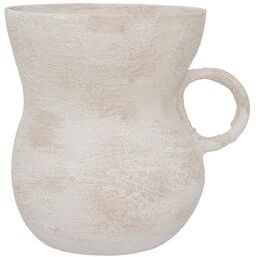
Urban Nature Culture Vase RelaxedQuiet elegancy comes to life in Urban Nature Culture's vase Relaxed. Handmade in Portugal, this ceramic vase has a shape beyond anything you've seen - it's organic, it flows and steals your heart with its playful ear.123,40 $*Shipping: 0,00 $Secure redirect to the provider



-
What problems do the Aborigines face?
Aborigines face a range of challenges including social and economic disadvantage, health disparities, discrimination, and cultural preservation. They often experience higher rates of unemployment, lower levels of education, and poorer health outcomes compared to non-Indigenous Australians. Additionally, the loss of traditional lands and languages, as well as ongoing racism and prejudice, contribute to the marginalization of Aboriginal communities. Efforts to address these issues require a comprehensive approach that recognizes and respects the rights and unique cultural heritage of the Aboriginal people. **
-
What problems do the Aborigines have?
Aborigines face a range of issues, including social and economic disadvantage, poor health outcomes, high rates of incarceration, and discrimination. They also struggle with the loss of cultural identity, land rights, and self-determination. Additionally, historical injustices such as forced removal of children and dispossession of land continue to have lasting impacts on their communities. Addressing these complex and interconnected challenges requires a holistic approach that recognizes and respects their unique cultural heritage and rights. **
-
What are the Aborigines in Africa?
The term "Aborigines" is not typically used to refer to a specific group in Africa. The term is more commonly associated with the indigenous peoples of Australia. In Africa, there are many different indigenous groups with their own distinct cultures, languages, and traditions. These groups have inhabited the continent for thousands of years and have faced various challenges related to land rights, discrimination, and marginalization. It is important to recognize and respect the diversity and unique identities of Africa's indigenous peoples. **
-
Are there any Aborigines who are known in Australia or possibly even worldwide? Are there famous Aborigines?
Yes, there are several Aborigines who are known in Australia and even worldwide. One of the most famous is Cathy Freeman, an Olympic gold medalist in track and field. Another well-known Aboriginal figure is David Unaipon, an inventor, writer, and preacher who is featured on the Australian $50 note. Additionally, musicians like Archie Roach and Gurrumul have gained international recognition for their music. These individuals have contributed significantly to their respective fields and have helped raise awareness of Aboriginal culture and achievements. **


How was the language of the Aborigines?
The language of the Aborigines was diverse and complex, with over 250 different languages spoken across Australia. These languages were often characterized by intricate grammatical structures, rich vocabularies, and unique sounds. Additionally, many Aboriginal languages were deeply connected to the land and culture of the people, incorporating words and concepts that reflected their environment and way of life. Despite the impact of colonization and the loss of many languages, efforts are being made to preserve and revitalize Aboriginal languages today. **
What was the language of the Aborigines like?
The language of the Aborigines was incredibly diverse, with over 250 different languages spoken across Australia. These languages were often complex and rich, with unique grammar structures and sounds. Many Aboriginal languages were also closely tied to the land, incorporating words and concepts related to the environment and traditional practices. Despite the diversity, there were also some common features among many Aboriginal languages, such as the use of complex kinship systems and intricate storytelling techniques. **
Top-Angebote
Products related to Aborigines:
-
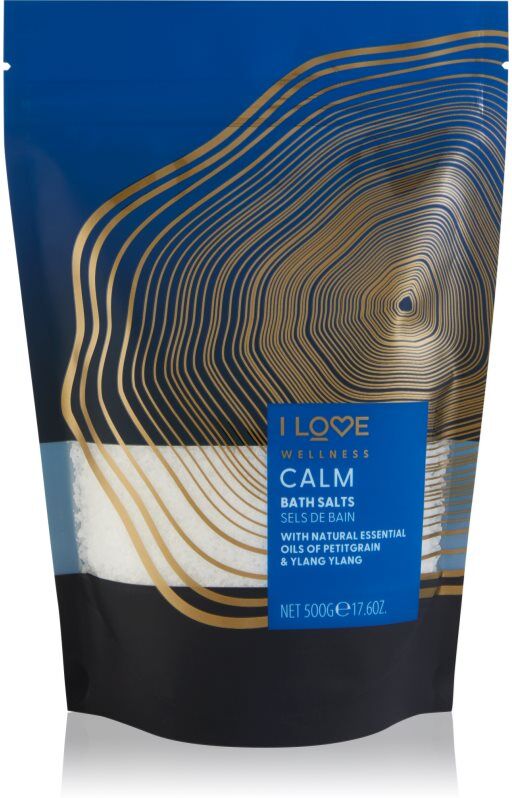
I Love Wellness Calm bath salt for relaxation 500 gI Love Wellness Calm, 500 g, Bath Salts for Women, Do you love long baths in nice hot water? Your favourite relaxation ritual can be enhanced and taken to another level by I Love Wellness Calmbath salts. It lets you create a fragrant salt bath right in your own home, allowing tension and feelings of inner turmoil to melt away while creating a wonderful sense of well-being. But you don't just get the relaxation you deserve, although the intoxicating smell of salt certainly invites you to do so. Apart from relaxation, your body will also be treated to regeneration. Salt is rich in natural minerals, so it will help with skin regeneration and contribute to relieving any skin issues you may have. Characteristics: relaxing effect has a pleasant fragrance moisturises and softens strengthens the skin’s defences has a relaxing effect on the muscles of the body Ingredients: vegan product camomile extract – soothes, counteracts irritation, helps reduce redness and promotes regeneration How to use: Pour into a warm bath and allow to dissolve.9,70 £*Shipping: 3,99 £Secure redirect to the provider
-
I Love Wellness Calm pillow mist for relaxation 125 mlI Love Wellness Calm, 125 ml, Air Fresheners Home Scents, The I Love Wellness Calm room spray will make your home smell beautiful with just one spray. The immediate effect means you can appreciate the pleasant fragrance as soon as you need it. Characteristics: a floral fragrance a herbal aroma citrus fragrance Ingredients: with essential oils How to use: You can also use it on fabrics. The fragrances are specially designed not to leave stains on fabric. Keep out of the reach of children and pets. If the product refill comes into contact with your skin, wash immediately with plenty of soap and water. If it gets into your eyes, rinse for several minutes with water.7,50 £*Shipping: 3,99 £Secure redirect to the provider
-
I Love Wellness Calm body oil for relaxation 125 mlI Love Wellness Calm, 125 ml, Bath Oils for Women, Do you have the feeling that your skin needs more care than it is getting from body lotion or body cream? I Love Wellness Calm body oil is the perfect product to enrich your skin care routine – it gives skin an extra dose of nourishment, supports its regeneration, and also softens it. Characteristics: leaves the skin flexible and supple has a pleasant fragrance relaxing strengthens the skin barrier nourishes and softens dry skin acts effectively against fatigue and exhaustion Ingredients: vegan product almond oil – nourishes, helps lock water in skin and keep it hydrated, softens rough textures and uneven skin, helps prevent flaking and irritation coconut oil – contains a large amount of antioxidants, helps prevent wrinkles and premature skin aging, intensively nourishes, softens and promotes hydration, regeneration and soothing of skin jojoba oil – keeps skin intensely hydrated, provides antioxidant protection, counteracts irritation and dryness, helps regulate sebum production and promotes regeneration How to use: Follow the instructions on the package.3,80 £*Shipping: 3,99 £Secure redirect to the provider
-
What do the Aborigines call themselves, certainly not Aborigines, right?
The Aboriginal people of Australia refer to themselves by their specific tribal or language group names, such as Koori, Murri, Nyoongar, or Yolngu, depending on their cultural heritage and geographic location. The term "Aboriginal" is a general descriptor used by non-Indigenous people, and it is important to recognize and respect the diversity of Indigenous identities and cultures within Australia. **
-
Do the Aborigines eat budgerigars?
No, the Aborigines do not typically eat budgerigars. Budgerigars are small parakeets native to Australia and are not a traditional part of the Aboriginal diet. The Aborigines traditionally hunted and ate a variety of animals such as kangaroos, emus, and fish, as well as foraged for fruits, nuts, and roots. Budgerigars are more commonly kept as pets or admired for their colorful plumage and ability to mimic sounds. **
-
What problems do the Aborigines face?
Aborigines face a range of challenges including social and economic disadvantage, health disparities, discrimination, and cultural preservation. They often experience higher rates of unemployment, lower levels of education, and poorer health outcomes compared to non-Indigenous Australians. Additionally, the loss of traditional lands and languages, as well as ongoing racism and prejudice, contribute to the marginalization of Aboriginal communities. Efforts to address these issues require a comprehensive approach that recognizes and respects the rights and unique cultural heritage of the Aboriginal people. **
-
What problems do the Aborigines have?
Aborigines face a range of issues, including social and economic disadvantage, poor health outcomes, high rates of incarceration, and discrimination. They also struggle with the loss of cultural identity, land rights, and self-determination. Additionally, historical injustices such as forced removal of children and dispossession of land continue to have lasting impacts on their communities. Addressing these complex and interconnected challenges requires a holistic approach that recognizes and respects their unique cultural heritage and rights. **
Similar search terms for Aborigines
-
Urban Nature Culture Vase RelaxedQuiet elegancy comes to life in Urban Nature Culture's vase Relaxed. Handmade in Portugal, this ceramic vase has a shape beyond anything you've seen - it's organic, it flows and steals your heart with its playful ear.123,40 $*Shipping: 0,00 $Secure redirect to the provider
-
Urban Nature Culture Vase Talvi - WhiteFloating the sea waves, a sense of calm takes over, feeling at home in the world. That same feeling we get at home, like a safe haven to relax our senses and feast our eyes on our most cherished things.267,80 $*Shipping: 0,00 $Secure redirect to the provider
-
What are the Aborigines in Africa?
The term "Aborigines" is not typically used to refer to a specific group in Africa. The term is more commonly associated with the indigenous peoples of Australia. In Africa, there are many different indigenous groups with their own distinct cultures, languages, and traditions. These groups have inhabited the continent for thousands of years and have faced various challenges related to land rights, discrimination, and marginalization. It is important to recognize and respect the diversity and unique identities of Africa's indigenous peoples. **
-
Are there any Aborigines who are known in Australia or possibly even worldwide? Are there famous Aborigines?
Yes, there are several Aborigines who are known in Australia and even worldwide. One of the most famous is Cathy Freeman, an Olympic gold medalist in track and field. Another well-known Aboriginal figure is David Unaipon, an inventor, writer, and preacher who is featured on the Australian $50 note. Additionally, musicians like Archie Roach and Gurrumul have gained international recognition for their music. These individuals have contributed significantly to their respective fields and have helped raise awareness of Aboriginal culture and achievements. **
-
How was the language of the Aborigines?
The language of the Aborigines was diverse and complex, with over 250 different languages spoken across Australia. These languages were often characterized by intricate grammatical structures, rich vocabularies, and unique sounds. Additionally, many Aboriginal languages were deeply connected to the land and culture of the people, incorporating words and concepts that reflected their environment and way of life. Despite the impact of colonization and the loss of many languages, efforts are being made to preserve and revitalize Aboriginal languages today. **
-
What was the language of the Aborigines like?
The language of the Aborigines was incredibly diverse, with over 250 different languages spoken across Australia. These languages were often complex and rich, with unique grammar structures and sounds. Many Aboriginal languages were also closely tied to the land, incorporating words and concepts related to the environment and traditional practices. Despite the diversity, there were also some common features among many Aboriginal languages, such as the use of complex kinship systems and intricate storytelling techniques. **
* All prices are inclusive of VAT and, if applicable, plus shipping costs. The offer information is based on the details provided by the respective shop and is updated through automated processes. Real-time updates do not occur, so deviations can occur in individual cases. ** Note: Parts of this content were created by AI.