Buy balibali.eu ?
We are moving the project
balibali.eu .
Are you interested in purchasing the domain
balibali.eu ?
domain@kv-gmbh.de · 0541-91531010
Buy balibali.eu ?
What are relatively unknown deities?
Relatively unknown deities are gods or goddesses from various mythologies and belief systems that are not widely recognized or worshipped. These deities may come from smaller or less well-known cultures, or they may be overshadowed by more popular gods and goddesses within their own pantheon. Relatively unknown deities often have specific domains or attributes, and they may have unique stories and symbolism associated with them. Exploring these lesser-known deities can provide insight into the diversity and richness of different religious traditions. **
How many deities are there?
The number of deities varies depending on the religious or spiritual tradition. For example, in Hinduism, there are millions of deities, with some being more prominent than others. In ancient Greek mythology, there were twelve major deities known as the Olympians, along with numerous other minor deities. In some monotheistic religions such as Christianity, there is only one deity, while in polytheistic traditions like the Norse pantheon, there are multiple deities. Ultimately, the number of deities is determined by the specific beliefs and practices of each religious or spiritual tradition. **

Similar search terms for Deities
Top-Angebote
Products related to Deities:
-
I Love Wellness Calm body oil for relaxation 125 mlI Love Wellness Calm, 125 ml, Bath Oils for Women, Do you have the feeling that your skin needs more care than it is getting from body lotion or body cream? I Love Wellness Calm body oil is the perfect product to enrich your skin care routine – it gives skin an extra dose of nourishment, supports its regeneration, and also softens it. Characteristics: leaves the skin flexible and supple has a pleasant fragrance relaxing strengthens the skin barrier nourishes and softens dry skin acts effectively against fatigue and exhaustion Ingredients: vegan product almond oil – nourishes, helps lock water in skin and keep it hydrated, softens rough textures and uneven skin, helps prevent flaking and irritation coconut oil – contains a large amount of antioxidants, helps prevent wrinkles and premature skin aging, intensively nourishes, softens and promotes hydration, regeneration and soothing of skin jojoba oil – keeps skin intensely hydrated, provides antioxidant protection, counteracts irritation and dryness, helps regulate sebum production and promotes regeneration How to use: Follow the instructions on the package.3,80 £*Shipping: 3,99 £Secure redirect to the provider
-
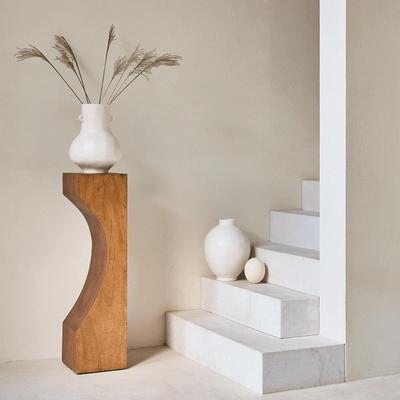
Urban Nature Culture Vase RelaxedQuiet elegancy comes to life in Urban Nature Culture's vase Relaxed. Handmade in Portugal, this ceramic vase has a shape beyond anything you've seen - it's organic, it flows and steals your heart with its playful ear.123,40 $*Shipping: 0,00 $Secure redirect to the provider



-
What are evil gods or deities?
Evil gods or deities are supernatural beings in various mythologies and religions who are associated with malevolence, darkness, and destructive forces. They are often depicted as antagonistic figures who seek to bring harm, chaos, and suffering to the world and its inhabitants. In some belief systems, evil gods are seen as the embodiment of negative aspects of human nature, such as greed, jealousy, and violence. They are often contrasted with benevolent or good gods, and are the focus of rituals and prayers aimed at appeasing or warding off their harmful influence. **
-
Can you tell me more about Deities?
Deities are supernatural beings or gods that are worshipped and revered in various religions and belief systems around the world. They are often associated with specific powers, domains, or aspects of life, and are believed to have influence over the natural world and human affairs. Deities can take many forms, from anthropomorphic figures to abstract concepts, and are often depicted in religious texts, myths, and rituals. Worshipping deities is a way for believers to seek guidance, protection, blessings, and a deeper connection to the divine. **
-
Find a term for a complex of deities.
A term for a complex of deities is a pantheon. A pantheon refers to a group or collection of gods or goddesses that are worshipped in a particular religion or mythology. Pantheons can vary in size and significance, with some cultures having pantheons that consist of only a few deities, while others have pantheons with numerous gods and goddesses. **
-
Could you publish a list of Greek deities?
Sure! Here is a list of some of the major Greek deities: 1. Zeus - King of the gods and ruler of Mount Olympus 2. Hera - Queen of the gods and goddess of marriage and family 3. Poseidon - God of the sea and earthquakes 4. Demeter - Goddess of agriculture and the harvest 5. Athena - Goddess of wisdom, warfare, and crafts 6. Apollo - God of the sun, music, and prophecy 7. Artemis - Goddess of the hunt, wilderness, and childbirth 8. Ares - God of war 9. Aphrodite - Goddess of love and beauty 10. Hermes - Messenger of the gods and god of travel, commerce, and thieves This is just a small selection of the many gods and goddesses in Greek mythology. **

Search for a term for a complex of deities.
The term for a complex of deities is "pantheon." A pantheon refers to a group or collection of gods or goddesses that are worshiped in a particular religion or mythology. These deities often have specific roles, attributes, and relationships with each other within the pantheon. Examples of famous pantheons include the Greek pantheon, the Roman pantheon, and the Hindu pantheon. **
After which mythical figures or deities are elements named?
Elements are named after various mythical figures or deities from different cultures. For example, the element Mercury is named after the Roman god Mercury, while Uranium is named after the planet Uranus. Other examples include Thorium, named after the Norse god Thor, and Plutonium, named after the Roman god Pluto. These names are often chosen based on the properties or characteristics of the elements. **
Top-Angebote
Products related to Deities:
-
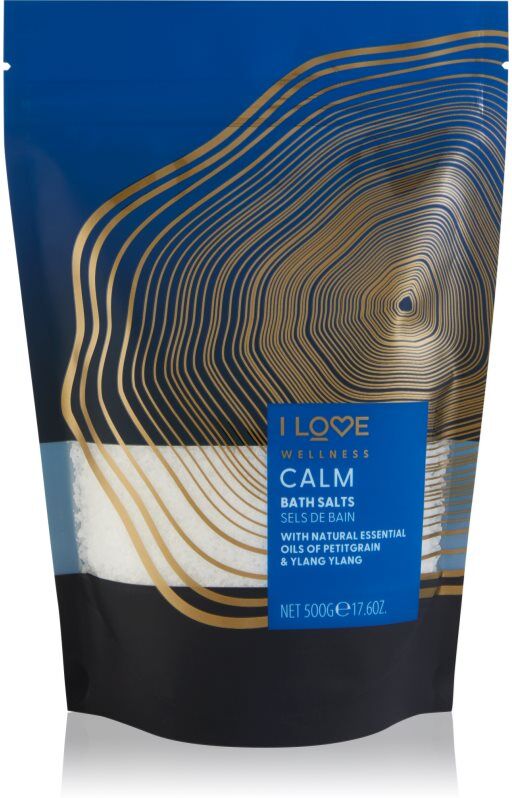
I Love Wellness Calm bath salt for relaxation 500 gI Love Wellness Calm, 500 g, Bath Salts for Women, Do you love long baths in nice hot water? Your favourite relaxation ritual can be enhanced and taken to another level by I Love Wellness Calmbath salts. It lets you create a fragrant salt bath right in your own home, allowing tension and feelings of inner turmoil to melt away while creating a wonderful sense of well-being. But you don't just get the relaxation you deserve, although the intoxicating smell of salt certainly invites you to do so. Apart from relaxation, your body will also be treated to regeneration. Salt is rich in natural minerals, so it will help with skin regeneration and contribute to relieving any skin issues you may have. Characteristics: relaxing effect has a pleasant fragrance moisturises and softens strengthens the skin’s defences has a relaxing effect on the muscles of the body Ingredients: vegan product camomile extract – soothes, counteracts irritation, helps reduce redness and promotes regeneration How to use: Pour into a warm bath and allow to dissolve.9,70 £*Shipping: 3,99 £Secure redirect to the provider
-
I Love Wellness Calm pillow mist for relaxation 125 mlI Love Wellness Calm, 125 ml, Air Fresheners Home Scents, The I Love Wellness Calm room spray will make your home smell beautiful with just one spray. The immediate effect means you can appreciate the pleasant fragrance as soon as you need it. Characteristics: a floral fragrance a herbal aroma citrus fragrance Ingredients: with essential oils How to use: You can also use it on fabrics. The fragrances are specially designed not to leave stains on fabric. Keep out of the reach of children and pets. If the product refill comes into contact with your skin, wash immediately with plenty of soap and water. If it gets into your eyes, rinse for several minutes with water.7,50 £*Shipping: 3,99 £Secure redirect to the provider
-
I Love Wellness Calm body oil for relaxation 125 mlI Love Wellness Calm, 125 ml, Bath Oils for Women, Do you have the feeling that your skin needs more care than it is getting from body lotion or body cream? I Love Wellness Calm body oil is the perfect product to enrich your skin care routine – it gives skin an extra dose of nourishment, supports its regeneration, and also softens it. Characteristics: leaves the skin flexible and supple has a pleasant fragrance relaxing strengthens the skin barrier nourishes and softens dry skin acts effectively against fatigue and exhaustion Ingredients: vegan product almond oil – nourishes, helps lock water in skin and keep it hydrated, softens rough textures and uneven skin, helps prevent flaking and irritation coconut oil – contains a large amount of antioxidants, helps prevent wrinkles and premature skin aging, intensively nourishes, softens and promotes hydration, regeneration and soothing of skin jojoba oil – keeps skin intensely hydrated, provides antioxidant protection, counteracts irritation and dryness, helps regulate sebum production and promotes regeneration How to use: Follow the instructions on the package.3,80 £*Shipping: 3,99 £Secure redirect to the provider
-
What are relatively unknown deities?
Relatively unknown deities are gods or goddesses from various mythologies and belief systems that are not widely recognized or worshipped. These deities may come from smaller or less well-known cultures, or they may be overshadowed by more popular gods and goddesses within their own pantheon. Relatively unknown deities often have specific domains or attributes, and they may have unique stories and symbolism associated with them. Exploring these lesser-known deities can provide insight into the diversity and richness of different religious traditions. **
-
How many deities are there?
The number of deities varies depending on the religious or spiritual tradition. For example, in Hinduism, there are millions of deities, with some being more prominent than others. In ancient Greek mythology, there were twelve major deities known as the Olympians, along with numerous other minor deities. In some monotheistic religions such as Christianity, there is only one deity, while in polytheistic traditions like the Norse pantheon, there are multiple deities. Ultimately, the number of deities is determined by the specific beliefs and practices of each religious or spiritual tradition. **
-
What are evil gods or deities?
Evil gods or deities are supernatural beings in various mythologies and religions who are associated with malevolence, darkness, and destructive forces. They are often depicted as antagonistic figures who seek to bring harm, chaos, and suffering to the world and its inhabitants. In some belief systems, evil gods are seen as the embodiment of negative aspects of human nature, such as greed, jealousy, and violence. They are often contrasted with benevolent or good gods, and are the focus of rituals and prayers aimed at appeasing or warding off their harmful influence. **
-
Can you tell me more about Deities?
Deities are supernatural beings or gods that are worshipped and revered in various religions and belief systems around the world. They are often associated with specific powers, domains, or aspects of life, and are believed to have influence over the natural world and human affairs. Deities can take many forms, from anthropomorphic figures to abstract concepts, and are often depicted in religious texts, myths, and rituals. Worshipping deities is a way for believers to seek guidance, protection, blessings, and a deeper connection to the divine. **
Similar search terms for Deities
-
Urban Nature Culture Vase RelaxedQuiet elegancy comes to life in Urban Nature Culture's vase Relaxed. Handmade in Portugal, this ceramic vase has a shape beyond anything you've seen - it's organic, it flows and steals your heart with its playful ear.123,40 $*Shipping: 0,00 $Secure redirect to the provider
-
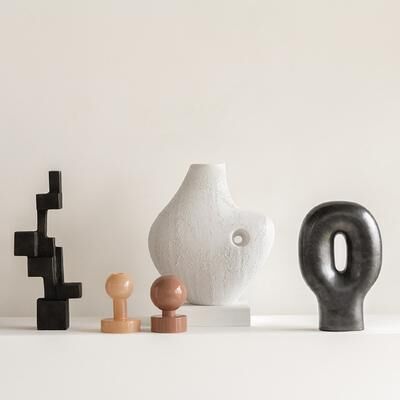
Urban Nature Culture Vase Talvi - WhiteFloating the sea waves, a sense of calm takes over, feeling at home in the world. That same feeling we get at home, like a safe haven to relax our senses and feast our eyes on our most cherished things.267,80 $*Shipping: 0,00 $Secure redirect to the provider
-
Find a term for a complex of deities.
A term for a complex of deities is a pantheon. A pantheon refers to a group or collection of gods or goddesses that are worshipped in a particular religion or mythology. Pantheons can vary in size and significance, with some cultures having pantheons that consist of only a few deities, while others have pantheons with numerous gods and goddesses. **
-
Could you publish a list of Greek deities?
Sure! Here is a list of some of the major Greek deities: 1. Zeus - King of the gods and ruler of Mount Olympus 2. Hera - Queen of the gods and goddess of marriage and family 3. Poseidon - God of the sea and earthquakes 4. Demeter - Goddess of agriculture and the harvest 5. Athena - Goddess of wisdom, warfare, and crafts 6. Apollo - God of the sun, music, and prophecy 7. Artemis - Goddess of the hunt, wilderness, and childbirth 8. Ares - God of war 9. Aphrodite - Goddess of love and beauty 10. Hermes - Messenger of the gods and god of travel, commerce, and thieves This is just a small selection of the many gods and goddesses in Greek mythology. **
-
Search for a term for a complex of deities.
The term for a complex of deities is "pantheon." A pantheon refers to a group or collection of gods or goddesses that are worshiped in a particular religion or mythology. These deities often have specific roles, attributes, and relationships with each other within the pantheon. Examples of famous pantheons include the Greek pantheon, the Roman pantheon, and the Hindu pantheon. **
-
After which mythical figures or deities are elements named?
Elements are named after various mythical figures or deities from different cultures. For example, the element Mercury is named after the Roman god Mercury, while Uranium is named after the planet Uranus. Other examples include Thorium, named after the Norse god Thor, and Plutonium, named after the Roman god Pluto. These names are often chosen based on the properties or characteristics of the elements. **
* All prices are inclusive of VAT and, if applicable, plus shipping costs. The offer information is based on the details provided by the respective shop and is updated through automated processes. Real-time updates do not occur, so deviations can occur in individual cases. ** Note: Parts of this content were created by AI.