Buy balibali.eu ?
We are moving the project
balibali.eu .
Are you interested in purchasing the domain
balibali.eu ?
domain@kv-gmbh.de · 0541-91531010
Buy balibali.eu ?
Are Venus flytraps vegan?
Venus flytraps are not considered vegan because they are carnivorous plants that capture and digest insects for nutrients. While they do not intentionally harm animals in the same way that humans do, they still rely on consuming living organisms for their survival. Therefore, from a strict vegan perspective, Venus flytraps would not be considered vegan. **
What do Venus flytraps eat?
Venus flytraps primarily eat insects such as flies, ants, beetles, and spiders. They are carnivorous plants that use their unique trapping mechanism to capture and digest their prey. When an insect comes into contact with the sensitive trigger hairs on the inner surface of the trap, it causes the trap to snap shut, trapping the insect inside where it is slowly digested by the plant's enzymes. **

Similar search terms for Flytraps
Top-Angebote
Products related to Flytraps:
-
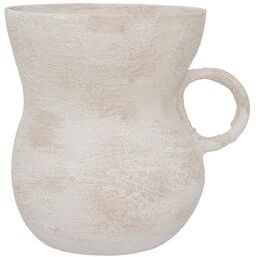
Urban Nature Culture Vase RelaxedQuiet elegancy comes to life in Urban Nature Culture's vase Relaxed. Handmade in Portugal, this ceramic vase has a shape beyond anything you've seen - it's organic, it flows and steals your heart with its playful ear.123,40 $*Shipping: 0,00 $Secure redirect to the provider
-
Urban Nature Culture Vase Talvi - WhiteFloating the sea waves, a sense of calm takes over, feeling at home in the world. That same feeling we get at home, like a safe haven to relax our senses and feast our eyes on our most cherished things.267,80 $*Shipping: 0,00 $Secure redirect to the provider

-
How much do Venus flytraps eat?
Venus flytraps do not require a large amount of food to survive. They primarily rely on photosynthesis for energy, but they do supplement their diet by catching insects. Venus flytraps typically consume small insects like ants, flies, and spiders. They do not need to eat frequently, as they can go weeks or even months without catching prey. **
-
Why do Venus flytraps turn black?
Venus flytraps turn black when their leaves die as part of their natural growth cycle. The black color is a result of the breakdown of chlorophyll in the leaves. This process allows the plant to conserve energy and nutrients by reabsorbing them from the dying leaves. Once the leaves have turned black, they can be trimmed off to allow the plant to focus its resources on new growth. **
-
Can Venus flytraps also digest wasps?
Yes, Venus flytraps can digest wasps. Venus flytraps are carnivorous plants that have evolved to capture and digest insects as a source of nutrients. When a wasp or any other insect triggers the sensitive hairs on the inner surface of the flytrap's leaves, the trap snaps shut, trapping the insect inside. The plant then secretes digestive enzymes to break down the insect and absorb its nutrients. Therefore, wasps are one of the many insects that Venus flytraps can digest. **
-
How do you propagate Venus flytraps?
Venus flytraps can be propagated through division or leaf cuttings. Division involves separating the rhizomes of mature plants and replanting them in new pots. Leaf cuttings can be taken from healthy leaves and placed in a pot with a mixture of peat moss and sand. It's important to keep the soil consistently moist and provide high humidity to encourage successful propagation. Additionally, it's best to propagate Venus flytraps during their active growing season in spring and summer. **

How can Venus flytraps be properly cared for?
Venus flytraps require specific care to thrive. They need a lot of sunlight, so it's best to place them in a sunny spot, such as a south-facing window. They also need to be watered with distilled water or rainwater, as tap water can be too harsh for them. It's important to keep the soil consistently moist, but not waterlogged. Additionally, they should be fed insects every 2-4 weeks to supplement their diet, as they rely on catching insects to obtain nutrients. Overall, providing the right amount of light, water, and food is essential for properly caring for Venus flytraps. **
Does Vietnam have a paradise beach?
Yes, Vietnam is home to several paradise beaches, with some of the most famous ones being Phu Quoc, Nha Trang, and Da Nang. These beaches are known for their pristine white sands, crystal-clear waters, and stunning natural surroundings. Visitors can enjoy a range of activities such as swimming, snorkeling, and sunbathing, making them ideal destinations for a relaxing beach getaway. **
Top-Angebote
Products related to Flytraps:
-
Urban Nature Culture Vase RelaxedQuiet elegancy comes to life in Urban Nature Culture's vase Relaxed. Handmade in Portugal, this ceramic vase has a shape beyond anything you've seen - it's organic, it flows and steals your heart with its playful ear.123,40 $*Shipping: 0,00 $Secure redirect to the provider
-
Are Venus flytraps vegan?
Venus flytraps are not considered vegan because they are carnivorous plants that capture and digest insects for nutrients. While they do not intentionally harm animals in the same way that humans do, they still rely on consuming living organisms for their survival. Therefore, from a strict vegan perspective, Venus flytraps would not be considered vegan. **
-
What do Venus flytraps eat?
Venus flytraps primarily eat insects such as flies, ants, beetles, and spiders. They are carnivorous plants that use their unique trapping mechanism to capture and digest their prey. When an insect comes into contact with the sensitive trigger hairs on the inner surface of the trap, it causes the trap to snap shut, trapping the insect inside where it is slowly digested by the plant's enzymes. **
-
How much do Venus flytraps eat?
Venus flytraps do not require a large amount of food to survive. They primarily rely on photosynthesis for energy, but they do supplement their diet by catching insects. Venus flytraps typically consume small insects like ants, flies, and spiders. They do not need to eat frequently, as they can go weeks or even months without catching prey. **
-
Why do Venus flytraps turn black?
Venus flytraps turn black when their leaves die as part of their natural growth cycle. The black color is a result of the breakdown of chlorophyll in the leaves. This process allows the plant to conserve energy and nutrients by reabsorbing them from the dying leaves. Once the leaves have turned black, they can be trimmed off to allow the plant to focus its resources on new growth. **
Similar search terms for Flytraps
-
Urban Nature Culture Vase Talvi - WhiteFloating the sea waves, a sense of calm takes over, feeling at home in the world. That same feeling we get at home, like a safe haven to relax our senses and feast our eyes on our most cherished things.267,80 $*Shipping: 0,00 $Secure redirect to the provider
-
Urban Nature Culture Vase Ace - AceSetting forth a tradition that is centuries old, pottery has ever been one of Portugal's trades. Urban Nature Culture loves to work with Portuguese artisans - who use their skills to combine modern looks and contemporary design with techniques of old.145,60 $*Shipping: 0,00 $Secure redirect to the provider
-
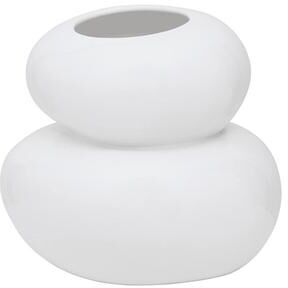
Urban Nature Culture Vase Pebbles White - White"""We can choose to throw stones, to stumble on them, to climb over them or to build with them."" William Arthur Ward Urban Nature Culture chooses to build with stones, and create a one-of-a-kind vase with a playful character."95,70 $*Shipping: 0,00 $Secure redirect to the provider
-
Can Venus flytraps also digest wasps?
Yes, Venus flytraps can digest wasps. Venus flytraps are carnivorous plants that have evolved to capture and digest insects as a source of nutrients. When a wasp or any other insect triggers the sensitive hairs on the inner surface of the flytrap's leaves, the trap snaps shut, trapping the insect inside. The plant then secretes digestive enzymes to break down the insect and absorb its nutrients. Therefore, wasps are one of the many insects that Venus flytraps can digest. **
-
How do you propagate Venus flytraps?
Venus flytraps can be propagated through division or leaf cuttings. Division involves separating the rhizomes of mature plants and replanting them in new pots. Leaf cuttings can be taken from healthy leaves and placed in a pot with a mixture of peat moss and sand. It's important to keep the soil consistently moist and provide high humidity to encourage successful propagation. Additionally, it's best to propagate Venus flytraps during their active growing season in spring and summer. **
-
How can Venus flytraps be properly cared for?
Venus flytraps require specific care to thrive. They need a lot of sunlight, so it's best to place them in a sunny spot, such as a south-facing window. They also need to be watered with distilled water or rainwater, as tap water can be too harsh for them. It's important to keep the soil consistently moist, but not waterlogged. Additionally, they should be fed insects every 2-4 weeks to supplement their diet, as they rely on catching insects to obtain nutrients. Overall, providing the right amount of light, water, and food is essential for properly caring for Venus flytraps. **
-
Does Vietnam have a paradise beach?
Yes, Vietnam is home to several paradise beaches, with some of the most famous ones being Phu Quoc, Nha Trang, and Da Nang. These beaches are known for their pristine white sands, crystal-clear waters, and stunning natural surroundings. Visitors can enjoy a range of activities such as swimming, snorkeling, and sunbathing, making them ideal destinations for a relaxing beach getaway. **
* All prices are inclusive of VAT and, if applicable, plus shipping costs. The offer information is based on the details provided by the respective shop and is updated through automated processes. Real-time updates do not occur, so deviations can occur in individual cases. ** Note: Parts of this content were created by AI.