Buy balibali.eu ?
We are moving the project
balibali.eu .
Are you interested in purchasing the domain
balibali.eu ?
domain@kv-gmbh.de · 0541-91531010
Buy balibali.eu ?
Are pigments natural or artificial?
Pigments can be both natural and artificial. Natural pigments are derived from sources found in nature, such as plants, minerals, and animals. These pigments are often used in traditional art and cultural practices. On the other hand, artificial pigments are synthesized through chemical processes and are commonly used in modern industrial applications, such as inks, dyes, and paints. Both natural and artificial pigments have their own unique properties and applications. **
Artificial or natural Christmas tree?
The choice between an artificial or natural Christmas tree ultimately depends on personal preference and lifestyle. Artificial trees are convenient, reusable, and often more cost-effective in the long run. On the other hand, natural trees provide a traditional, authentic holiday experience and the fresh pine scent. Consider factors such as environmental impact, maintenance, and storage space when making your decision. Ultimately, both options can bring joy and festive spirit to your home during the holiday season. **

Similar search terms for Nearly-Natural-10-Artificial
Top-Angebote
Products related to Nearly-Natural-10-Artificial:
-
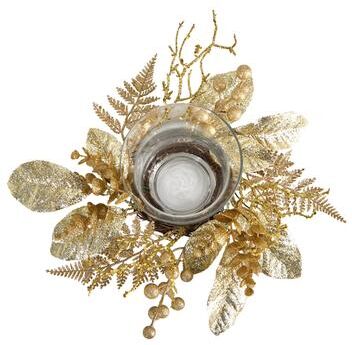
Nearly Natural "10"" Golden Artificial Christmas Candelabrum - 6"Sparkle with a golden state of mind with this Christmas artificial candelabrum. Leaves, berries, and leaflets in a gold palette will dazzle from afar. Crafted from high-quality materials, this piece shall last many holiday seasons.33,99 $*Shipping: 0,00 $Secure redirect to the provider

-
What is the difference between natural, nature-identical, and artificial flavorings?
Natural flavorings are derived from sources found in nature, such as fruits, vegetables, herbs, and spices. Nature-identical flavorings are chemically identical to those found in nature, but are synthetically produced. Artificial flavorings, on the other hand, are entirely man-made and do not exist in nature. While natural and nature-identical flavorings are often preferred for their perceived health benefits, artificial flavorings are typically used when a specific flavor cannot be obtained from natural sources. **
-
How do natural, artificial, and nature-identical flavorings differ from each other?
Natural flavorings are derived from plants, animals, or microorganisms and are not chemically altered. Artificial flavorings are chemically synthesized and do not come from natural sources. Nature-identical flavorings are chemically identical to natural flavors but are synthesized in a laboratory rather than extracted from natural sources. Each type of flavoring has its own set of regulations and guidelines for use in food products, and they can vary in terms of taste, cost, and availability. **
-
What are natural and artificial light sources?
Natural light sources are sources of light that occur in nature, such as the sun, stars, and fire. These sources emit light without the need for human intervention. Artificial light sources, on the other hand, are man-made sources of light, such as light bulbs, fluorescent lights, and LED lights. These sources require human intervention to produce light and are commonly used in indoor environments and at night. Both natural and artificial light sources are essential for providing illumination and enabling visibility in various settings. **
-
Is vinegar cleaner artificial and vinegar natural?
Vinegar can be both natural and artificial, depending on how it is produced. Natural vinegar is made through the fermentation of natural sugars in fruits or grains, while artificial vinegar is typically made from acetic acid and water. When purchasing vinegar, it is important to check the label to determine if it is natural or artificial. Natural vinegar is often preferred for its potential health benefits and more complex flavor profile. **

How do natural and artificial light sources differ?
Natural light sources, such as the sun and fire, emit light through natural processes like nuclear fusion or chemical reactions. They provide a full spectrum of light and can vary in intensity and color temperature throughout the day. On the other hand, artificial light sources, like incandescent bulbs or LED lights, are created by humans and rely on electricity to produce light. They can be designed to emit specific colors and intensities, and their spectrum can be tailored to suit different needs. Additionally, artificial light sources can be controlled and manipulated more easily than natural light sources. **
What is better: natural light or artificial light?
Both natural light and artificial light have their own advantages. Natural light is often preferred for its ability to enhance mood, reduce eye strain, and accurately render colors. It is also free and can provide a connection to the outdoors. On the other hand, artificial light offers consistency, control, and the ability to illuminate spaces at any time of day or night. Ultimately, the best choice depends on the specific needs of the space and the desired atmosphere. **
Top-Angebote
Products related to Nearly-Natural-10-Artificial:
-
Are pigments natural or artificial?
Pigments can be both natural and artificial. Natural pigments are derived from sources found in nature, such as plants, minerals, and animals. These pigments are often used in traditional art and cultural practices. On the other hand, artificial pigments are synthesized through chemical processes and are commonly used in modern industrial applications, such as inks, dyes, and paints. Both natural and artificial pigments have their own unique properties and applications. **
-
Artificial or natural Christmas tree?
The choice between an artificial or natural Christmas tree ultimately depends on personal preference and lifestyle. Artificial trees are convenient, reusable, and often more cost-effective in the long run. On the other hand, natural trees provide a traditional, authentic holiday experience and the fresh pine scent. Consider factors such as environmental impact, maintenance, and storage space when making your decision. Ultimately, both options can bring joy and festive spirit to your home during the holiday season. **
-
What is the difference between natural, nature-identical, and artificial flavorings?
Natural flavorings are derived from sources found in nature, such as fruits, vegetables, herbs, and spices. Nature-identical flavorings are chemically identical to those found in nature, but are synthetically produced. Artificial flavorings, on the other hand, are entirely man-made and do not exist in nature. While natural and nature-identical flavorings are often preferred for their perceived health benefits, artificial flavorings are typically used when a specific flavor cannot be obtained from natural sources. **
-
How do natural, artificial, and nature-identical flavorings differ from each other?
Natural flavorings are derived from plants, animals, or microorganisms and are not chemically altered. Artificial flavorings are chemically synthesized and do not come from natural sources. Nature-identical flavorings are chemically identical to natural flavors but are synthesized in a laboratory rather than extracted from natural sources. Each type of flavoring has its own set of regulations and guidelines for use in food products, and they can vary in terms of taste, cost, and availability. **
Similar search terms for Nearly-Natural-10-Artificial
-
Nearly Natural "10"" Golden Artificial Christmas Candelabrum - 6"Sparkle with a golden state of mind with this Christmas artificial candelabrum. Leaves, berries, and leaflets in a gold palette will dazzle from afar. Crafted from high-quality materials, this piece shall last many holiday seasons.33,99 $*Shipping: 0,00 $Secure redirect to the provider
-
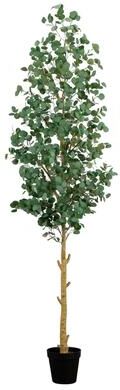
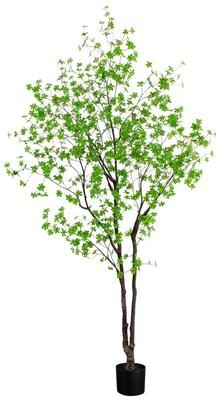
Nearly Natural 10' Artificial Minimalist Enkianthus Tree - GreenElevate your interior decor with the elegant and refined artificial Enkianthus tree. Crafted from high-quality materials by experienced horticulturists, every detail has been considered to create its lifelike appearance.446,80 $*Shipping: 0,00 $Secure redirect to the provider
-
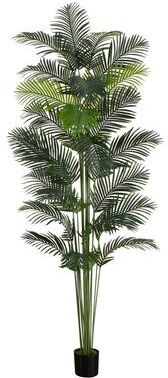
Nearly Natural 10' Artificial Travelers Palm Tree - GreenMake a grand, green entrance wherever you choose to display this elegant artificial travelers palm tree. Expertly crafted by horticulturists using fine materials, this faux tree showcases lifelike details throughout its fronds.316,99 $*Shipping: 0,00 $Secure redirect to the provider
-
What are natural and artificial light sources?
Natural light sources are sources of light that occur in nature, such as the sun, stars, and fire. These sources emit light without the need for human intervention. Artificial light sources, on the other hand, are man-made sources of light, such as light bulbs, fluorescent lights, and LED lights. These sources require human intervention to produce light and are commonly used in indoor environments and at night. Both natural and artificial light sources are essential for providing illumination and enabling visibility in various settings. **
-
Is vinegar cleaner artificial and vinegar natural?
Vinegar can be both natural and artificial, depending on how it is produced. Natural vinegar is made through the fermentation of natural sugars in fruits or grains, while artificial vinegar is typically made from acetic acid and water. When purchasing vinegar, it is important to check the label to determine if it is natural or artificial. Natural vinegar is often preferred for its potential health benefits and more complex flavor profile. **
-
How do natural and artificial light sources differ?
Natural light sources, such as the sun and fire, emit light through natural processes like nuclear fusion or chemical reactions. They provide a full spectrum of light and can vary in intensity and color temperature throughout the day. On the other hand, artificial light sources, like incandescent bulbs or LED lights, are created by humans and rely on electricity to produce light. They can be designed to emit specific colors and intensities, and their spectrum can be tailored to suit different needs. Additionally, artificial light sources can be controlled and manipulated more easily than natural light sources. **
-
What is better: natural light or artificial light?
Both natural light and artificial light have their own advantages. Natural light is often preferred for its ability to enhance mood, reduce eye strain, and accurately render colors. It is also free and can provide a connection to the outdoors. On the other hand, artificial light offers consistency, control, and the ability to illuminate spaces at any time of day or night. Ultimately, the best choice depends on the specific needs of the space and the desired atmosphere. **
* All prices are inclusive of VAT and, if applicable, plus shipping costs. The offer information is based on the details provided by the respective shop and is updated through automated processes. Real-time updates do not occur, so deviations can occur in individual cases. ** Note: Parts of this content were created by AI.