Buy balibali.eu ?
We are moving the project
balibali.eu .
Are you interested in purchasing the domain
balibali.eu ?
domain@kv-gmbh.de · 0541-91531010
Buy balibali.eu ?
What are Chinese button quails and Japanese quails?
Chinese button quails and Japanese quails are both small species of quail that are commonly kept as pets or for their eggs. Chinese button quails are also known as king quails and are native to East Asia, while Japanese quails are native to Japan and other parts of East Asia. Both species are known for their small size, colorful plumage, and relatively quiet nature, making them popular choices for bird enthusiasts. Additionally, both Chinese button quails and Japanese quails are ground-dwelling birds that are often kept in aviaries or large cages. **
Aren't quails tame?
Quails can be tamed to a certain extent, but they are not typically as easily domesticated as other poultry such as chickens. They are known to be skittish and easily startled, which can make them more challenging to tame. With patience and consistent handling, quails can become more comfortable around humans, but they may never be as docile as other domesticated birds. **


Similar search terms for Quails
Top-Angebote
Products related to Quails:
-
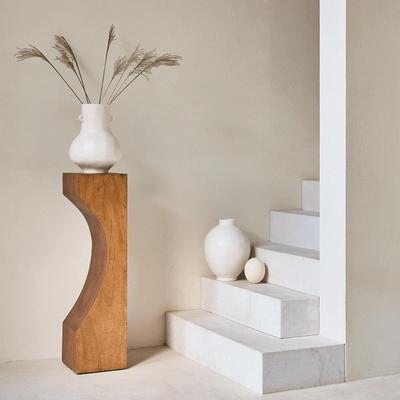
Urban Nature Culture Vase RelaxedQuiet elegancy comes to life in Urban Nature Culture's vase Relaxed. Handmade in Portugal, this ceramic vase has a shape beyond anything you've seen - it's organic, it flows and steals your heart with its playful ear.123,40 $*Shipping: 0,00 $Secure redirect to the provider


-
How do quails bathe?
Quails typically bathe by dusting themselves in dry soil or sand. They will often find a dusty area and vigorously flap their wings and roll around in the dust to clean their feathers and remove parasites. This behavior helps to maintain their plumage and keep their skin healthy. Quails are known to be fastidious groomers and will regularly engage in dust bathing to keep themselves clean. **
-
Who took my quails?
I'm sorry, I do not have access to that information. It would be best to ask the people who were around the quails or check any surveillance footage if available to determine who took them. **
-
What do quails eat?
Quails are omnivorous birds and their diet consists of a variety of foods including seeds, grains, insects, and small invertebrates. They forage on the ground for a wide range of food items, including grass seeds, clover, dandelions, and other plants. In addition to their plant-based diet, quails also consume insects such as beetles, ants, and grasshoppers. Overall, quails are opportunistic feeders and will consume whatever food is available in their environment. **
-
Why don't quails hatch?
Quails may not hatch for a variety of reasons, including inadequate incubation conditions, genetic abnormalities, or environmental stressors. If the eggs are not kept at the proper temperature and humidity during incubation, the embryos may not develop properly and the eggs may not hatch. Additionally, genetic abnormalities or diseases can also prevent quail eggs from hatching. Finally, environmental stressors such as predation, disturbance, or inadequate nutrition can also impact the hatching success of quail eggs. **
Do quails eat sand?
Yes, quails do eat sand. They consume small stones and grit to help with the digestion of their food. The sand and grit help to grind up the food in their gizzards, which is a muscular part of their stomach. This process aids in breaking down the food and extracting nutrients from it. Therefore, providing access to sand or grit is important for the health and well-being of quails. **
Aren't quails not tame?
Quails can be tamed with proper care and handling. While they are naturally skittish and wary of humans, with patience and consistent interaction, quails can become accustomed to human presence and even form bonds with their caretakers. Taming quails may take time and effort, but it is possible to establish a level of trust and comfort with these birds. **
Top-Angebote
Products related to Quails:
-
Drop Dash Deals Poultry Drinking System With Automatic Waterer And Chicken Nipples Ideal For Ducks, Hens, And Quails Poultry Drinking System With Automatic Waterer And Chicken Nipples Ideal For Ducks, Hens, And QuailsEfficient Poultry Drinking System These 20 pcs automatic chicken waterer is the ideal solution for poultry care, providing clean water to your chickens, ducks, quails, and hens. Designed with a steel rod that activates water release when triggered...49,97 $*Shipping: 0,00 $Secure redirect to the provider
-
Uplift Essentials Automatic Chicken Drinking Bowl Water Dispenser For Poultry Ducks Quails And Pigeons 10pcsKeep your farm animals healthy and hydrated with this Automatic Chicken Drinking Bowl Water Dispenser. Designed for chickens, ducks, quails, pigeons, and other small poultry, this easytouse system ensures a constant supply of fresh water without the...41,97 $*Shipping: 0,00 $Secure redirect to the provider
-
What are Chinese button quails and Japanese quails?
Chinese button quails and Japanese quails are both small species of quail that are commonly kept as pets or for their eggs. Chinese button quails are also known as king quails and are native to East Asia, while Japanese quails are native to Japan and other parts of East Asia. Both species are known for their small size, colorful plumage, and relatively quiet nature, making them popular choices for bird enthusiasts. Additionally, both Chinese button quails and Japanese quails are ground-dwelling birds that are often kept in aviaries or large cages. **
-
Aren't quails tame?
Quails can be tamed to a certain extent, but they are not typically as easily domesticated as other poultry such as chickens. They are known to be skittish and easily startled, which can make them more challenging to tame. With patience and consistent handling, quails can become more comfortable around humans, but they may never be as docile as other domesticated birds. **
-
How do quails bathe?
Quails typically bathe by dusting themselves in dry soil or sand. They will often find a dusty area and vigorously flap their wings and roll around in the dust to clean their feathers and remove parasites. This behavior helps to maintain their plumage and keep their skin healthy. Quails are known to be fastidious groomers and will regularly engage in dust bathing to keep themselves clean. **
-
Who took my quails?
I'm sorry, I do not have access to that information. It would be best to ask the people who were around the quails or check any surveillance footage if available to determine who took them. **
Similar search terms for Quails
-
Urban Nature Culture Vase RelaxedQuiet elegancy comes to life in Urban Nature Culture's vase Relaxed. Handmade in Portugal, this ceramic vase has a shape beyond anything you've seen - it's organic, it flows and steals your heart with its playful ear.123,40 $*Shipping: 0,00 $Secure redirect to the provider
-
Urban Nature Culture Vase Talvi - WhiteFloating the sea waves, a sense of calm takes over, feeling at home in the world. That same feeling we get at home, like a safe haven to relax our senses and feast our eyes on our most cherished things.267,80 $*Shipping: 0,00 $Secure redirect to the provider
-
What do quails eat?
Quails are omnivorous birds and their diet consists of a variety of foods including seeds, grains, insects, and small invertebrates. They forage on the ground for a wide range of food items, including grass seeds, clover, dandelions, and other plants. In addition to their plant-based diet, quails also consume insects such as beetles, ants, and grasshoppers. Overall, quails are opportunistic feeders and will consume whatever food is available in their environment. **
-
Why don't quails hatch?
Quails may not hatch for a variety of reasons, including inadequate incubation conditions, genetic abnormalities, or environmental stressors. If the eggs are not kept at the proper temperature and humidity during incubation, the embryos may not develop properly and the eggs may not hatch. Additionally, genetic abnormalities or diseases can also prevent quail eggs from hatching. Finally, environmental stressors such as predation, disturbance, or inadequate nutrition can also impact the hatching success of quail eggs. **
-
Do quails eat sand?
Yes, quails do eat sand. They consume small stones and grit to help with the digestion of their food. The sand and grit help to grind up the food in their gizzards, which is a muscular part of their stomach. This process aids in breaking down the food and extracting nutrients from it. Therefore, providing access to sand or grit is important for the health and well-being of quails. **
-
Aren't quails not tame?
Quails can be tamed with proper care and handling. While they are naturally skittish and wary of humans, with patience and consistent interaction, quails can become accustomed to human presence and even form bonds with their caretakers. Taming quails may take time and effort, but it is possible to establish a level of trust and comfort with these birds. **
* All prices are inclusive of VAT and, if applicable, plus shipping costs. The offer information is based on the details provided by the respective shop and is updated through automated processes. Real-time updates do not occur, so deviations can occur in individual cases. ** Note: Parts of this content were created by AI.