Buy balibali.eu ?
We are moving the project
balibali.eu .
Are you interested in purchasing the domain
balibali.eu ?
domain@kv-gmbh.de · 0541-91531010
Buy balibali.eu ?
What is the difference between tensile stress and tensile strength?
Tensile stress is the internal resisting force per unit area within a material when subjected to a stretching force, while tensile strength is the maximum stress a material can withstand before breaking. In other words, tensile stress is the force applied to a material, while tensile strength is the material's ability to resist that force before failure. Tensile stress is a measure of the force distributed over a specific area, whereas tensile strength is a measure of the material's ability to withstand that force without breaking. **
'Pressure or Tensile Force?'
Pressure is a force applied perpendicular to the surface of an object, causing compression or squeezing. Tensile force, on the other hand, is a force applied to stretch or pull an object. The main difference between the two is the direction of the force applied - pressure is applied perpendicular to the surface, while tensile force is applied parallel to the surface. Both forces can cause deformation in materials, but in different ways. **

Similar search terms for Tensile
Top-Angebote
Products related to Tensile:
-
I Love Wellness Calm pillow mist for relaxation 125 mlI Love Wellness Calm, 125 ml, Air Fresheners Home Scents, The I Love Wellness Calm room spray will make your home smell beautiful with just one spray. The immediate effect means you can appreciate the pleasant fragrance as soon as you need it. Characteristics: a floral fragrance a herbal aroma citrus fragrance Ingredients: with essential oils How to use: You can also use it on fabrics. The fragrances are specially designed not to leave stains on fabric. Keep out of the reach of children and pets. If the product refill comes into contact with your skin, wash immediately with plenty of soap and water. If it gets into your eyes, rinse for several minutes with water.7,50 £*Shipping: 3,99 £Secure redirect to the provider
-
I Love Wellness Calm body oil for relaxation 125 mlI Love Wellness Calm, 125 ml, Bath Oils for Women, Do you have the feeling that your skin needs more care than it is getting from body lotion or body cream? I Love Wellness Calm body oil is the perfect product to enrich your skin care routine – it gives skin an extra dose of nourishment, supports its regeneration, and also softens it. Characteristics: leaves the skin flexible and supple has a pleasant fragrance relaxing strengthens the skin barrier nourishes and softens dry skin acts effectively against fatigue and exhaustion Ingredients: vegan product almond oil – nourishes, helps lock water in skin and keep it hydrated, softens rough textures and uneven skin, helps prevent flaking and irritation coconut oil – contains a large amount of antioxidants, helps prevent wrinkles and premature skin aging, intensively nourishes, softens and promotes hydration, regeneration and soothing of skin jojoba oil – keeps skin intensely hydrated, provides antioxidant protection, counteracts irritation and dryness, helps regulate sebum production and promotes regeneration How to use: Follow the instructions on the package.3,80 £*Shipping: 3,99 £Secure redirect to the provider




-
What is a tensile test?
A tensile test is a type of mechanical test used to determine the strength and elasticity of a material. During the test, a sample of the material is pulled in opposite directions until it reaches its breaking point. The test measures the stress and strain on the material, providing valuable information about its mechanical properties such as ultimate tensile strength, yield strength, and elongation. Tensile tests are commonly used in engineering and material science to assess the quality and performance of materials for various applications. **
-
What is the tensile strength of steel?
The tensile strength of steel can vary depending on the grade and type of steel. However, on average, the tensile strength of steel ranges from 400 MPa to 2500 MPa. This high tensile strength is one of the reasons why steel is commonly used in construction and engineering applications where strength and durability are important. **
-
What is a head impact tensile test?
A head impact tensile test is a type of test used to measure the strength and durability of materials used in protective headgear, such as helmets. During the test, a sample of the material is subjected to a controlled impact or force, simulating the type of impact that could occur during a head injury. The test measures how well the material resists tearing or breaking under the force, providing valuable information about its ability to protect the head from injury. This type of testing is important for ensuring that helmets and other protective gear meet safety standards and can effectively protect against head impacts. **
-
What are compressive forces and tensile forces?
Compressive forces are forces that act to squeeze or compact an object, causing it to become shorter or more compact. Tensile forces, on the other hand, are forces that act to stretch or pull an object, causing it to become longer or more elongated. Both types of forces are important in understanding how materials respond to external loads and are critical in engineering and structural design. **
What is the normal tensile stress cracking ratio?
The normal tensile stress cracking ratio, also known as the environmental stress cracking resistance (ESCR), is a measure of a material's resistance to cracking when subjected to tensile stress in the presence of specific environmental agents such as chemicals or solvents. The ratio is typically expressed as the number of hours a material can withstand stress without cracking when exposed to the specific environment. Different materials have different ESCR values, and it is an important factor to consider when selecting materials for applications where they may be exposed to harsh environments. **
What happens with the tensile stress in plastics?
Tensile stress in plastics causes the material to elongate or deform. When a tensile force is applied to a plastic material, the molecules within the material start to align in the direction of the force, causing the material to stretch. If the stress is too high, the plastic will eventually reach its breaking point and fracture. This behavior is important to consider when designing plastic components for applications where they will be subjected to tensile forces. **
Top-Angebote
Products related to Tensile:
-
Uplifted Finds SUS Grade High Tensile Litter Sifting Module SUS Grade High Tensile Litter Sifting ModuleUpgrade your domestic sanitation logistics with the SUSGrade HighTensile Sifter, a professionalgrade maintenance tool engineered with heavygauge structural logic. This highutility module features a reinforced stainless steel architecture designed to...81,97 $*Shipping: 0,00 $Secure redirect to the provider
-
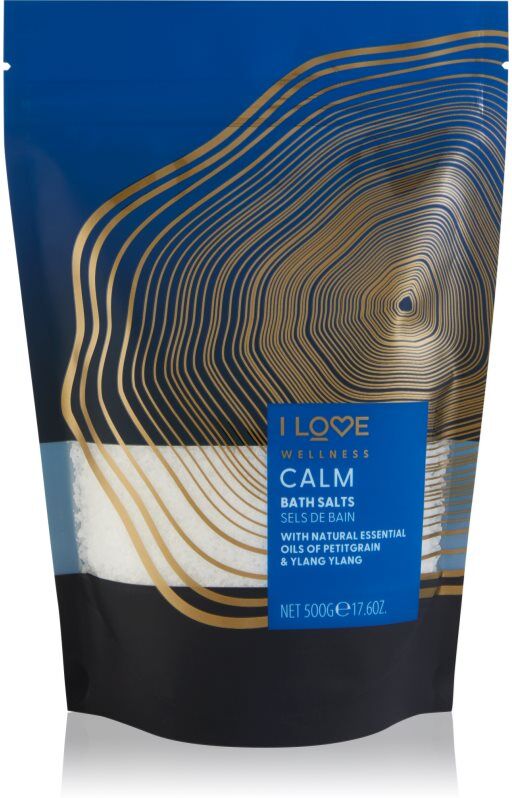
I Love Wellness Calm bath salt for relaxation 500 gI Love Wellness Calm, 500 g, Bath Salts for Women, Do you love long baths in nice hot water? Your favourite relaxation ritual can be enhanced and taken to another level by I Love Wellness Calmbath salts. It lets you create a fragrant salt bath right in your own home, allowing tension and feelings of inner turmoil to melt away while creating a wonderful sense of well-being. But you don't just get the relaxation you deserve, although the intoxicating smell of salt certainly invites you to do so. Apart from relaxation, your body will also be treated to regeneration. Salt is rich in natural minerals, so it will help with skin regeneration and contribute to relieving any skin issues you may have. Characteristics: relaxing effect has a pleasant fragrance moisturises and softens strengthens the skin’s defences has a relaxing effect on the muscles of the body Ingredients: vegan product camomile extract – soothes, counteracts irritation, helps reduce redness and promotes regeneration How to use: Pour into a warm bath and allow to dissolve.9,70 £*Shipping: 3,99 £Secure redirect to the provider
-
I Love Wellness Calm pillow mist for relaxation 125 mlI Love Wellness Calm, 125 ml, Air Fresheners Home Scents, The I Love Wellness Calm room spray will make your home smell beautiful with just one spray. The immediate effect means you can appreciate the pleasant fragrance as soon as you need it. Characteristics: a floral fragrance a herbal aroma citrus fragrance Ingredients: with essential oils How to use: You can also use it on fabrics. The fragrances are specially designed not to leave stains on fabric. Keep out of the reach of children and pets. If the product refill comes into contact with your skin, wash immediately with plenty of soap and water. If it gets into your eyes, rinse for several minutes with water.7,50 £*Shipping: 3,99 £Secure redirect to the provider
-
I Love Wellness Calm body oil for relaxation 125 mlI Love Wellness Calm, 125 ml, Bath Oils for Women, Do you have the feeling that your skin needs more care than it is getting from body lotion or body cream? I Love Wellness Calm body oil is the perfect product to enrich your skin care routine – it gives skin an extra dose of nourishment, supports its regeneration, and also softens it. Characteristics: leaves the skin flexible and supple has a pleasant fragrance relaxing strengthens the skin barrier nourishes and softens dry skin acts effectively against fatigue and exhaustion Ingredients: vegan product almond oil – nourishes, helps lock water in skin and keep it hydrated, softens rough textures and uneven skin, helps prevent flaking and irritation coconut oil – contains a large amount of antioxidants, helps prevent wrinkles and premature skin aging, intensively nourishes, softens and promotes hydration, regeneration and soothing of skin jojoba oil – keeps skin intensely hydrated, provides antioxidant protection, counteracts irritation and dryness, helps regulate sebum production and promotes regeneration How to use: Follow the instructions on the package.3,80 £*Shipping: 3,99 £Secure redirect to the provider
-
What is the difference between tensile stress and tensile strength?
Tensile stress is the internal resisting force per unit area within a material when subjected to a stretching force, while tensile strength is the maximum stress a material can withstand before breaking. In other words, tensile stress is the force applied to a material, while tensile strength is the material's ability to resist that force before failure. Tensile stress is a measure of the force distributed over a specific area, whereas tensile strength is a measure of the material's ability to withstand that force without breaking. **
-
'Pressure or Tensile Force?'
Pressure is a force applied perpendicular to the surface of an object, causing compression or squeezing. Tensile force, on the other hand, is a force applied to stretch or pull an object. The main difference between the two is the direction of the force applied - pressure is applied perpendicular to the surface, while tensile force is applied parallel to the surface. Both forces can cause deformation in materials, but in different ways. **
-
What is a tensile test?
A tensile test is a type of mechanical test used to determine the strength and elasticity of a material. During the test, a sample of the material is pulled in opposite directions until it reaches its breaking point. The test measures the stress and strain on the material, providing valuable information about its mechanical properties such as ultimate tensile strength, yield strength, and elongation. Tensile tests are commonly used in engineering and material science to assess the quality and performance of materials for various applications. **
-
What is the tensile strength of steel?
The tensile strength of steel can vary depending on the grade and type of steel. However, on average, the tensile strength of steel ranges from 400 MPa to 2500 MPa. This high tensile strength is one of the reasons why steel is commonly used in construction and engineering applications where strength and durability are important. **
Similar search terms for Tensile
-
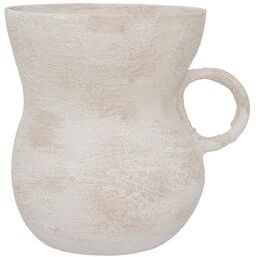
Urban Nature Culture Vase RelaxedQuiet elegancy comes to life in Urban Nature Culture's vase Relaxed. Handmade in Portugal, this ceramic vase has a shape beyond anything you've seen - it's organic, it flows and steals your heart with its playful ear.123,40 $*Shipping: 0,00 $Secure redirect to the provider
-
What is a head impact tensile test?
A head impact tensile test is a type of test used to measure the strength and durability of materials used in protective headgear, such as helmets. During the test, a sample of the material is subjected to a controlled impact or force, simulating the type of impact that could occur during a head injury. The test measures how well the material resists tearing or breaking under the force, providing valuable information about its ability to protect the head from injury. This type of testing is important for ensuring that helmets and other protective gear meet safety standards and can effectively protect against head impacts. **
-
What are compressive forces and tensile forces?
Compressive forces are forces that act to squeeze or compact an object, causing it to become shorter or more compact. Tensile forces, on the other hand, are forces that act to stretch or pull an object, causing it to become longer or more elongated. Both types of forces are important in understanding how materials respond to external loads and are critical in engineering and structural design. **
-
What is the normal tensile stress cracking ratio?
The normal tensile stress cracking ratio, also known as the environmental stress cracking resistance (ESCR), is a measure of a material's resistance to cracking when subjected to tensile stress in the presence of specific environmental agents such as chemicals or solvents. The ratio is typically expressed as the number of hours a material can withstand stress without cracking when exposed to the specific environment. Different materials have different ESCR values, and it is an important factor to consider when selecting materials for applications where they may be exposed to harsh environments. **
-
What happens with the tensile stress in plastics?
Tensile stress in plastics causes the material to elongate or deform. When a tensile force is applied to a plastic material, the molecules within the material start to align in the direction of the force, causing the material to stretch. If the stress is too high, the plastic will eventually reach its breaking point and fracture. This behavior is important to consider when designing plastic components for applications where they will be subjected to tensile forces. **
* All prices are inclusive of VAT and, if applicable, plus shipping costs. The offer information is based on the details provided by the respective shop and is updated through automated processes. Real-time updates do not occur, so deviations can occur in individual cases. ** Note: Parts of this content were created by AI.