Buy balibali.eu ?
We are moving the project
balibali.eu .
Are you interested in purchasing the domain
balibali.eu ?
domain@kv-gmbh.de · 0541-91531010
Buy balibali.eu ?
Does "Passer" use "avoir" or "être"?
"Passer" uses the auxiliary verb "avoir" in compound tenses. For example, in the passé composé, you would say "j'ai passé" (I have passed) using the verb "avoir" as the auxiliary. **
What is the negation of être?
The negation of être in French is ne pas être. This means "to not be" in English. When using the negation of être, the word ne comes before the verb and pas comes after the verb. For example, "Je suis" (I am) becomes "Je ne suis pas" (I am not). **

Similar search terms for Être
Top-Angebote
Products related to Être:
-
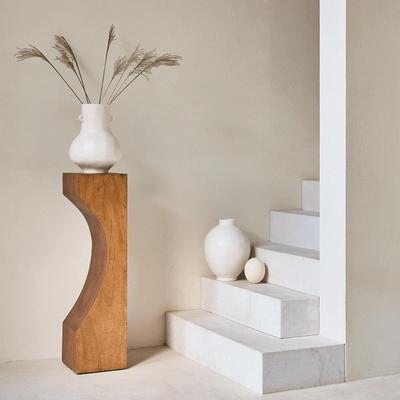
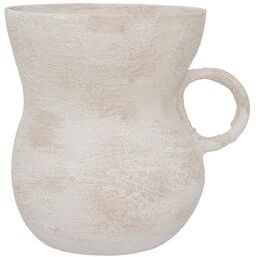
Urban Nature Culture Vase RelaxedQuiet elegancy comes to life in Urban Nature Culture's vase Relaxed. Handmade in Portugal, this ceramic vase has a shape beyond anything you've seen - it's organic, it flows and steals your heart with its playful ear.123,40 $*Shipping: 0,00 $Secure redirect to the provider
-
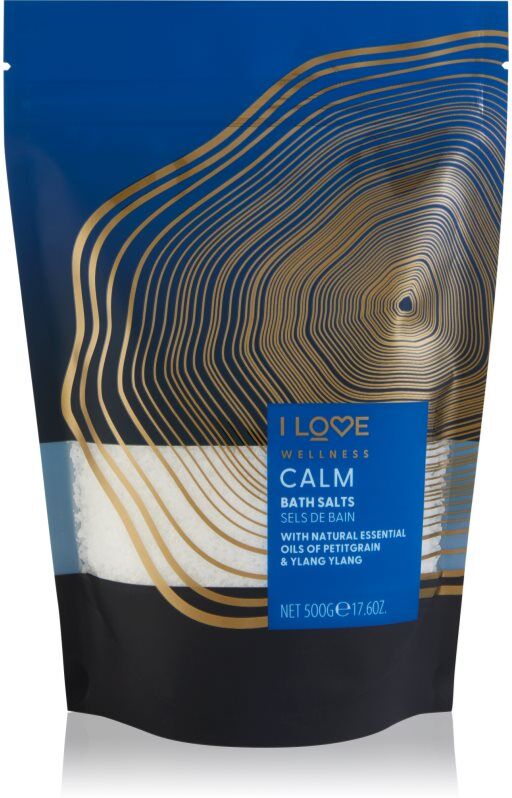
I Love Wellness Calm bath salt for relaxation 500 gI Love Wellness Calm, 500 g, Bath Salts for Women, Do you love long baths in nice hot water? Your favourite relaxation ritual can be enhanced and taken to another level by I Love Wellness Calmbath salts. It lets you create a fragrant salt bath right in your own home, allowing tension and feelings of inner turmoil to melt away while creating a wonderful sense of well-being. But you don't just get the relaxation you deserve, although the intoxicating smell of salt certainly invites you to do so. Apart from relaxation, your body will also be treated to regeneration. Salt is rich in natural minerals, so it will help with skin regeneration and contribute to relieving any skin issues you may have. Characteristics: relaxing effect has a pleasant fragrance moisturises and softens strengthens the skin’s defences has a relaxing effect on the muscles of the body Ingredients: vegan product camomile extract – soothes, counteracts irritation, helps reduce redness and promotes regeneration How to use: Pour into a warm bath and allow to dissolve.3,40 £*Shipping: 3,99 £Secure redirect to the provider

-
With which verbs is être conjugated?
Être is conjugated with verbs that indicate motion, change, or a state of being, such as aller (to go), venir (to come), partir (to leave), arriver (to arrive), tomber (to fall), naître (to be born), mourir (to die), rester (to stay), and devenir (to become). These verbs are often referred to as "verbs of motion and change" and they require être as their auxiliary verb in compound tenses like the passé composé. **
-
Where does the peut-être have to go?
The "peut-être" does not have a physical location to go to, as it is a French expression that means "maybe" or "perhaps." It is used to indicate uncertainty or possibility in a statement. Therefore, it does not have a specific destination, but rather it is used to convey a sense of uncertainty or doubt in a situation. **
-
How do I know if it's être or avoir?
In French, the choice between "être" (to be) and "avoir" (to have) as auxiliary verbs depends on the main verb in the sentence. Generally, "être" is used with intransitive verbs that indicate a state or condition, such as "aller" (to go) or "venir" (to come), while "avoir" is used with transitive verbs that indicate an action, such as "manger" (to eat) or "regarder" (to watch). However, there are some exceptions, so it's important to learn the specific verbs that require "être" as their auxiliary. Additionally, reflexive verbs always use "être" as their auxiliary. **
-
Is passer conjugated with être in the Passé Composé?
Yes, the verb "passer" is conjugated with the auxiliary verb "être" in the Passé Composé when it is used intransitively, meaning it does not have a direct object. For example, "Il est passé par là" (He passed by there). In this case, "passer" is conjugated with "être" to form the Passé Composé. However, when "passer" is used transitively with a direct object, it is conjugated with the auxiliary verb "avoir" in the Passé Composé. For example, "Il a passé le test" (He passed the test). **

Is it in the passé composé être or avoir?
The choice between être and avoir in the passé composé depends on the main verb being used. In general, verbs that express a change in state or motion, such as aller (to go), venir (to come), and partir (to leave), use être as the auxiliary verb. Verbs that do not express a change in state or motion, such as manger (to eat), boire (to drink), and parler (to speak), use avoir as the auxiliary verb. It's important to learn the specific verbs that use être and avoir in the passé composé to use them correctly. **
How do you conjugate the verbs être or avoir?
To conjugate the verb "être" (to be) in French, you would say: - Je suis (I am) - Tu es (You are) - Il/Elle/On est (He/She/One is) - Nous sommes (We are) - Vous êtes (You are) - Ils/Elles sont (They are) To conjugate the verb "avoir" (to have) in French, you would say: - J'ai (I have) - Tu as (You have) - Il/Elle/On a (He/She/One has) - Nous avons (We have) - Vous avez (You have) - Ils/Elles ont (They have) **
Top-Angebote
Products related to Être:
-
Payot Rituel Douceur Baume De Douche Bien-être shower balm 200 mlPayot Rituel Douceur Baume De Douche Bien-être, 200 ml, Shower Creams for Women, Are you the type who does not undervalue everyday hygiene, but has skin that is prone to excessively drying-out when washed with normal shower gel? Payot Rituel Douceur Baume De Douche Bien-êtreshower cream is the right choice for you. It not only helps remove all impurities when bathing, but also provides skin with much-needed moisture while nurturing and pampering it with its soft, creamy texture. This shower cream protects skin’s balance, preventing it from drying out and making sure the natural hydrolipid barrier on skin’s surface does not get damaged. Characteristics: it cleans the skin gently and rids it of dirt nourishes and cares for the skin leaves skin velvety soft and smooth How to use: Apply when showering or taking a bath. Apply to the skin all over the body, then rinse with warm water. Suitable for everyday use.8,50 £*Shipping: 3,99 £Secure redirect to the provider
-
Does "Passer" use "avoir" or "être"?
"Passer" uses the auxiliary verb "avoir" in compound tenses. For example, in the passé composé, you would say "j'ai passé" (I have passed) using the verb "avoir" as the auxiliary. **
-
What is the negation of être?
The negation of être in French is ne pas être. This means "to not be" in English. When using the negation of être, the word ne comes before the verb and pas comes after the verb. For example, "Je suis" (I am) becomes "Je ne suis pas" (I am not). **
-
With which verbs is être conjugated?
Être is conjugated with verbs that indicate motion, change, or a state of being, such as aller (to go), venir (to come), partir (to leave), arriver (to arrive), tomber (to fall), naître (to be born), mourir (to die), rester (to stay), and devenir (to become). These verbs are often referred to as "verbs of motion and change" and they require être as their auxiliary verb in compound tenses like the passé composé. **
-
Where does the peut-être have to go?
The "peut-être" does not have a physical location to go to, as it is a French expression that means "maybe" or "perhaps." It is used to indicate uncertainty or possibility in a statement. Therefore, it does not have a specific destination, but rather it is used to convey a sense of uncertainty or doubt in a situation. **
Similar search terms for Être
-
Urban Nature Culture Vase RelaxedQuiet elegancy comes to life in Urban Nature Culture's vase Relaxed. Handmade in Portugal, this ceramic vase has a shape beyond anything you've seen - it's organic, it flows and steals your heart with its playful ear.123,40 $*Shipping: 0,00 $Secure redirect to the provider
-
I Love Wellness Calm bath salt for relaxation 500 gI Love Wellness Calm, 500 g, Bath Salts for Women, Do you love long baths in nice hot water? Your favourite relaxation ritual can be enhanced and taken to another level by I Love Wellness Calmbath salts. It lets you create a fragrant salt bath right in your own home, allowing tension and feelings of inner turmoil to melt away while creating a wonderful sense of well-being. But you don't just get the relaxation you deserve, although the intoxicating smell of salt certainly invites you to do so. Apart from relaxation, your body will also be treated to regeneration. Salt is rich in natural minerals, so it will help with skin regeneration and contribute to relieving any skin issues you may have. Characteristics: relaxing effect has a pleasant fragrance moisturises and softens strengthens the skin’s defences has a relaxing effect on the muscles of the body Ingredients: vegan product camomile extract – soothes, counteracts irritation, helps reduce redness and promotes regeneration How to use: Pour into a warm bath and allow to dissolve.3,40 £*Shipping: 3,99 £Secure redirect to the provider
-
Urban Nature Culture Vase Ace - AceSetting forth a tradition that is centuries old, pottery has ever been one of Portugal's trades. Urban Nature Culture loves to work with Portuguese artisans - who use their skills to combine modern looks and contemporary design with techniques of old.145,60 $*Shipping: 0,00 $Secure redirect to the provider
-
How do I know if it's être or avoir?
In French, the choice between "être" (to be) and "avoir" (to have) as auxiliary verbs depends on the main verb in the sentence. Generally, "être" is used with intransitive verbs that indicate a state or condition, such as "aller" (to go) or "venir" (to come), while "avoir" is used with transitive verbs that indicate an action, such as "manger" (to eat) or "regarder" (to watch). However, there are some exceptions, so it's important to learn the specific verbs that require "être" as their auxiliary. Additionally, reflexive verbs always use "être" as their auxiliary. **
-
Is passer conjugated with être in the Passé Composé?
Yes, the verb "passer" is conjugated with the auxiliary verb "être" in the Passé Composé when it is used intransitively, meaning it does not have a direct object. For example, "Il est passé par là" (He passed by there). In this case, "passer" is conjugated with "être" to form the Passé Composé. However, when "passer" is used transitively with a direct object, it is conjugated with the auxiliary verb "avoir" in the Passé Composé. For example, "Il a passé le test" (He passed the test). **
-
Is it in the passé composé être or avoir?
The choice between être and avoir in the passé composé depends on the main verb being used. In general, verbs that express a change in state or motion, such as aller (to go), venir (to come), and partir (to leave), use être as the auxiliary verb. Verbs that do not express a change in state or motion, such as manger (to eat), boire (to drink), and parler (to speak), use avoir as the auxiliary verb. It's important to learn the specific verbs that use être and avoir in the passé composé to use them correctly. **
-
How do you conjugate the verbs être or avoir?
To conjugate the verb "être" (to be) in French, you would say: - Je suis (I am) - Tu es (You are) - Il/Elle/On est (He/She/One is) - Nous sommes (We are) - Vous êtes (You are) - Ils/Elles sont (They are) To conjugate the verb "avoir" (to have) in French, you would say: - J'ai (I have) - Tu as (You have) - Il/Elle/On a (He/She/One has) - Nous avons (We have) - Vous avez (You have) - Ils/Elles ont (They have) **
* All prices are inclusive of VAT and, if applicable, plus shipping costs. The offer information is based on the details provided by the respective shop and is updated through automated processes. Real-time updates do not occur, so deviations can occur in individual cases. ** Note: Parts of this content were created by AI.